

Kalat Division Merger Faces Tribal Opposition and Legal Challenge
The proposed Kalat division merger has sparked strong opposition from the tribal leadership of Sarawan, with prominent leaders announcing plans to challenge the move in court. The leaders rejected reports of merging Mastung district into Quetta division and Kachhi district into Sibi division, arguing that such administrative changes would undermine Kalat’s historical and regional identity.
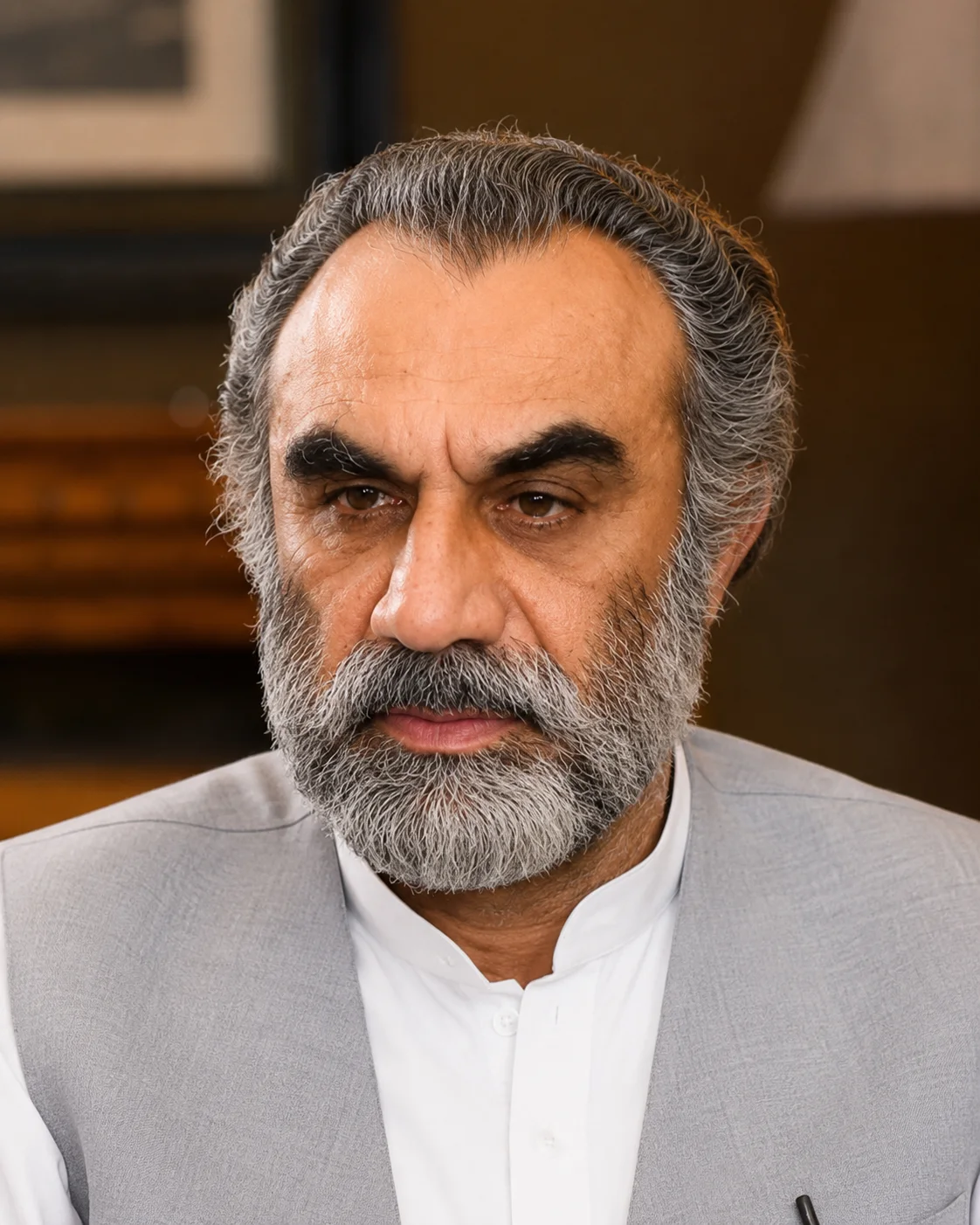
According to the information available, a meeting of Sarawan tribal leaders was held in Quetta on Tuesday under the leadership of Chief of Sarawan Nawab Mohammad Aslam Raisani. Participants described the reported proposal as unacceptable and pledged to pursue legal action if the government proceeds with the administrative restructuring.
Sarawan Tribal Leaders Reject Proposed Administrative Changes
The meeting brought together several prominent tribal figures from the Sarawan region to discuss the reported proposal concerning the future of Kalat division.
Following discussions, the participants unanimously opposed the reported plan to abolish Kalat division by transferring Mastung district to Quetta division and Kachhi district to Sibi division.
The tribal leaders stated that they would challenge the proposal before the courts, arguing that the administrative changes should not move forward without public consultation or legal scrutiny.
Leaders Say Mastung Has Historic Ties to Kalat
Historical, Cultural and Geographic Concerns Raised
The participants maintained that Mastung has remained closely linked with Kalat for centuries through its historical, cultural, political and geographical connections.
According to the tribal leadership, these longstanding ties make the proposed transfer inappropriate.
They argued that successive governments have recognised Mastung as part of Kalat division and questioned the justification for changing its administrative status.
The leaders also maintained that Kalat has a long-established historical identity that should be preserved.
Concerns Over Regional Identity
During the meeting, participants alleged that the proposed administrative restructuring could weaken Kalat’s historical and administrative significance.
These allegations were made by the tribal leaders and have not been independently verified.
The participants further claimed that the proposal overlooks Balochistan’s historical heritage, local traditions, language, culture and geographical realities.
They warned that administrative decisions made without consultation could increase public dissatisfaction across the region.
Legal Action Planned
Court Challenge Announced
The Sarawan tribal leadership resolved to seek legal remedies if the proposed merger proceeds.
According to the participants, neither local residents nor their elected representatives were consulted before the reported proposal emerged.
They argued that any major administrative restructuring should involve public engagement and transparent consultation with affected communities.
No information has been released indicating that legal proceedings have been filed at this stage. The tribal leaders stated that they intend to approach the courts if necessary.
What the Proposed Changes Involve
The reported proposal involves significant administrative restructuring within Balochistan.
According to the tribal leaders, the reported plan would:
- Merge Mastung district into Quetta division.
- Transfer Kachhi district to Sibi division.
- Result in the abolition of Kalat division.
At the time of reporting, no official government statement confirming the implementation of these administrative changes was included in the available information.
Why the Issue Matters
Administrative divisions play an important role in the delivery of public services, governance and regional planning.
Changes to divisional boundaries can affect government administration, resource management and local representation.
For many communities, divisional boundaries also carry historical and cultural significance beyond their administrative functions.
This is one reason why proposals involving regional restructuring often generate public debate and attract close attention from local stakeholders.
Government Response Awaited
While the Sarawan tribal leadership has publicly opposed the reported proposal, an official response from the provincial government regarding the concerns raised was not included in the available information.
It also remains unclear whether the reported administrative changes have been formally approved or are still under consideration.
Further developments are expected if legal proceedings are initiated or if the provincial government issues an official clarification regarding the proposal.
Source:
- Dawn
Our audience means everything to us.
Have feedback or suggestions to make us better? We’re always listening—feel free to get in touch with us at editor@truthorahub.com







Leave a Comment