

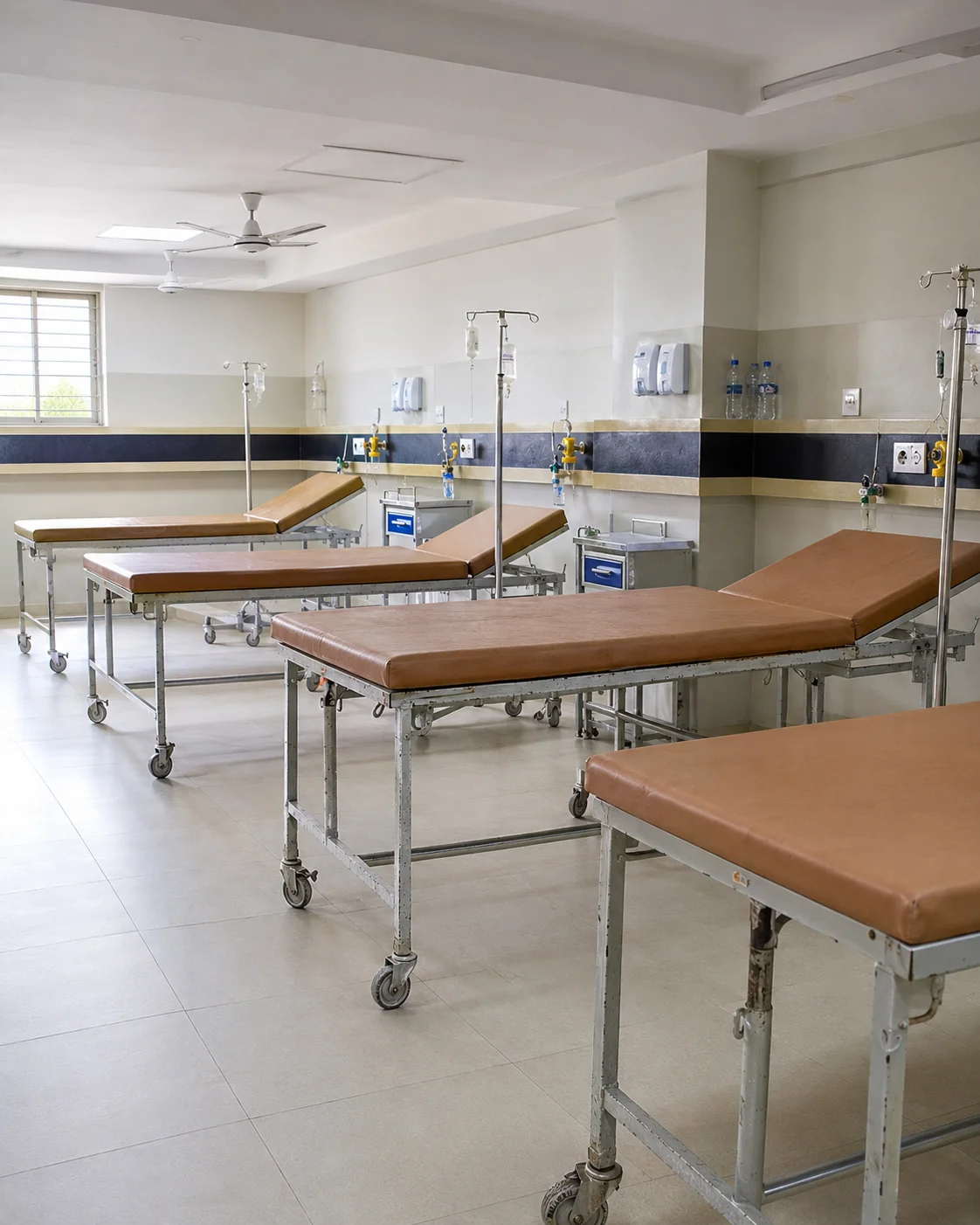
Punjab has reached a major milestone in its healthcare transformation by digitally registering the health and demographic information of more than 94.3 million residents under the province’s first-ever Digital Health Census. The initiative is designed to replace traditional estimates with verified data, allowing authorities to plan healthcare services more efficiently and respond to the needs of local communities with greater accuracy.
According to officials who briefed Chief Minister Maryam Nawaz during a high-level meeting in Lahore, the province is close to completing the massive exercise. More than 85 percent of the population in 18 districts has already been covered, while five districts have achieved full (100%) coverage and another five have crossed the 95 percent mark. The survey represents one of the largest digital public health data collection projects undertaken in Pakistan.
Door-to-Door Data Collection Across Punjab
The information was collected through a province-wide door-to-door campaign carried out by approximately 14,300 Community Health Inspectors. Every household was assigned a unique digital identification number through mapping technology, creating an organized database for future healthcare planning.
The digital profiles include a broad range of information, such as:
- Basic health conditions
- Lifestyle patterns
- Demographic details
- Household socio-economic information
- Access to clean drinking water
- Disability-related data
Officials believe this comprehensive database will help identify local healthcare needs more accurately while improving the delivery of public health services.
Data-Driven Healthcare Planning
During the meeting, Chief Minister Maryam Nawaz emphasized that effective policymaking depends on reliable information rather than assumptions. She said verified digital records would help health authorities determine where medicines, medical staff, and healthcare facilities are needed most.
Officials also noted that several common health issues had never previously been documented systematically at the provincial level, making the new database an important resource for future planning.
Expansion of Cardiac Care Facilities
Alongside the health census update, the government announced progress on expanding cardiac healthcare services.
Officials stated that 16 cardiac catheterisation (Cath) laboratories are expected to become operational across Punjab by December. Five facilities are already functioning, while work is being accelerated in districts including Bhakkar, Bahawalnagar, and Layyah.
The Chief Minister also instructed authorities to complete the second phase of Cath Lab projects in eight additional districts by the end of July and requested weekly progress reports to monitor performance.
New Digital Monitoring for Chronic Diseases
The meeting also reviewed a proposal for the Maryam Nawaz Sehatmand Gharana Programme, which aims to strengthen primary healthcare by connecting families directly with nearby health centres.
If implemented, the programme would digitally monitor patients suffering from chronic illnesses such as:
- Diabetes
- Hypertension
- Hepatitis
- Cancer
- Malnutrition
The objective is to provide continuous follow-up care while reducing unnecessary hospital visits through improved primary healthcare services.
Focus on Population Management and Data Security
The Punjab government also plans to launch a province-wide population management campaign as part of its broader healthcare strategy.
To safeguard the growing volume of digital records, officials announced plans to establish a modern disaster recovery facility that will help protect the province’s health database against data loss and system failures.
In addition, the meeting highlighted encouraging progress in Punjab’s anti-polio campaign, with environmental samples from 19 districts reported as negative, reflecting continued efforts to strengthen disease prevention across the province.
Why This Initiative Matters
The Digital Health Census has the potential to reshape healthcare planning in Punjab by replacing outdated estimates with verified household-level information. Accurate data can help authorities distribute medicines more effectively, identify disease trends earlier, strengthen preventive healthcare, and allocate resources where they are needed most.
As the province moves toward completing the project, the digital database is expected to play a central role in future healthcare policies, infrastructure development, and public health programmes.
Source:
Dawn Pakistan, Chief Minister Punjab Office, Health & Population Department Punjab.
Our audience means everything to us.
Have feedback or suggestions to make us better? We’re always listening—feel free to get in touch with us at truthora2026@gmail.com









Leave a Comment