

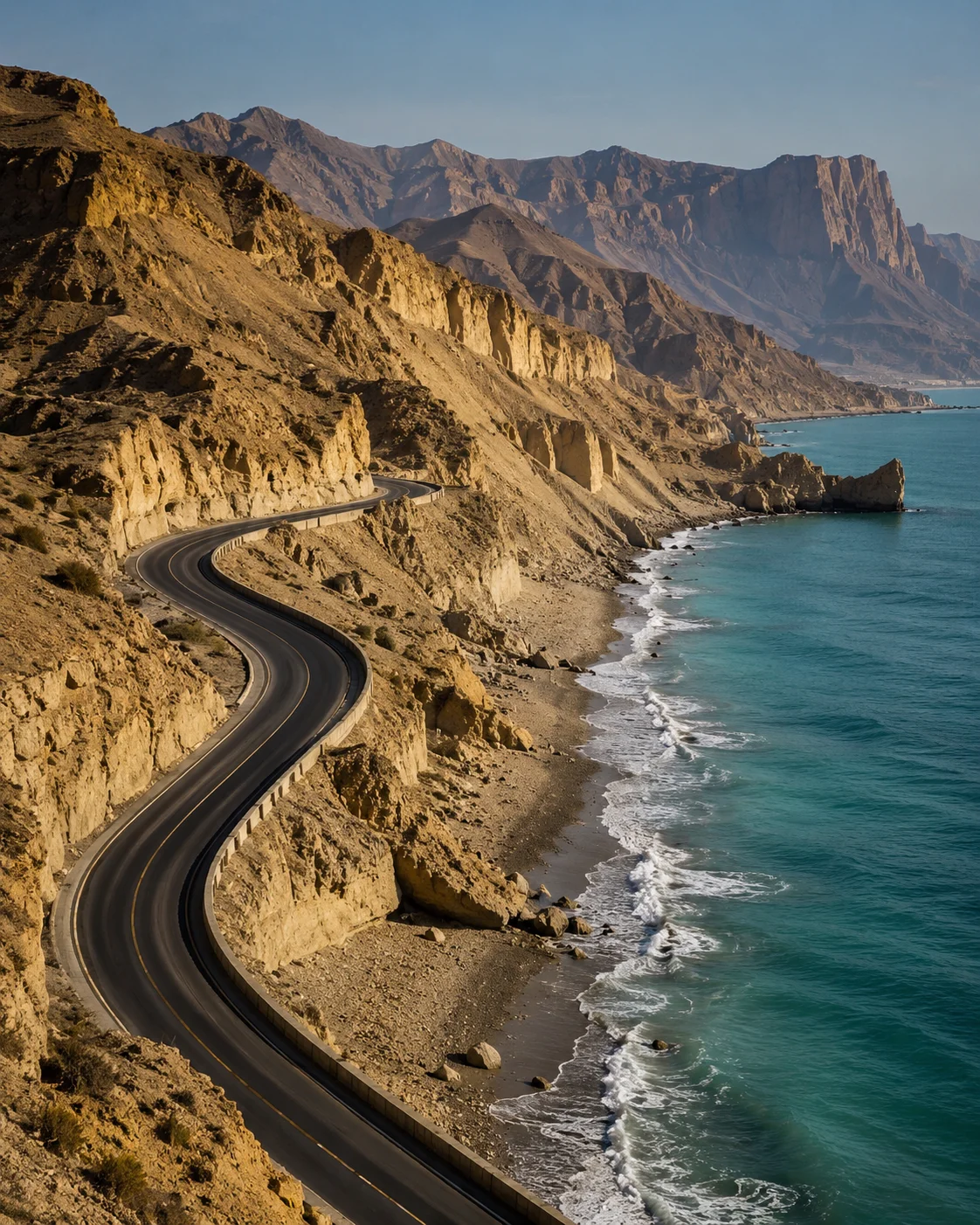
Balochistan Remains at the Center of a National Debate
Balochistan continues to occupy a central place in discussions about Pakistan’s political system, provincial autonomy, and governance. Although constitutional reforms—particularly the 18th Amendment—were designed to strengthen provincial powers, many analysts argue that significant challenges remain in translating those reforms into practical authority on the ground.
The debate has become increasingly prominent as researchers, policymakers, and civil society groups continue to examine the province’s political, economic, and security landscape.
Constitutional Reforms and Provincial Authority
Supporters of constitutional reform point to the devolution of powers introduced through the 18th Amendment as an important milestone in Pakistan’s federal system. However, some political analysts believe that key areas such as resource management, security policy, and major administrative decisions remain heavily influenced by federal institutions.
According to this perspective, the gap between constitutional provisions and their implementation continues to shape political discussions surrounding Balochistan.
Governance and Security Challenges
For decades, Balochistan has experienced security challenges that have affected development, investment, and public confidence. Critics argue that security-focused approaches have often overshadowed political dialogue, while government officials maintain that security measures are necessary to address militancy and maintain stability.
The balance between national security and political engagement remains one of the province’s most debated issues.
Human Rights Concerns
Human rights organizations have repeatedly expressed concern over reports of enforced disappearances and allegations of unlawful detentions in Balochistan. Families of missing persons, advocacy groups, and legal representatives have called for transparent investigations, greater accountability, and stronger legal protections.
At the same time, government authorities have stated that they are committed to addressing such concerns through legal and institutional mechanisms, while rejecting allegations of systematic wrongdoing.
Economic Development and Public Expectations
Despite its vast reserves of natural resources and strategic importance, Balochistan continues to face challenges in areas such as education, healthcare, employment, and infrastructure.
Many analysts believe that sustainable development, improved public services, and greater local participation in decision-making are essential to building long-term stability and public trust.
The Ongoing Discussion
Experts from different viewpoints agree that Balochistan’s future remains closely linked to broader questions about Pakistan’s federal structure, governance, and national integration. While opinions differ on the causes of the province’s challenges, there is broad recognition that political dialogue, institutional strengthening, economic opportunity, and the rule of law will play important roles in shaping the way forward.
As discussions continue among policymakers, academics, and civil society, Balochistan is likely to remain one of the country’s most significant policy issues in the years ahead.
Conclusion
The conversation surrounding Balochistan reflects larger questions about governance, constitutional implementation, development, and national cohesion. Whether viewed through a political, legal, or human rights lens, the province continues to be an important subject of public debate.
Finding durable solutions will require continued dialogue, transparent institutions, respect for constitutional processes, and efforts that address both security concerns and the socio-economic aspirations of the people of Balochistan.
Source:
Adapted from the opinion article provided by Baloch Siddique Azad (Independent Researcher and Political Analyst). This rewritten version presents the material as analysis and commentary rather than verified factual reporting.
Our audience means everything to us.
Have feedback or suggestions to make us better? We’re always listening—feel free to get in touch with us at truthora2026@gmail.com





Leave a Comment