

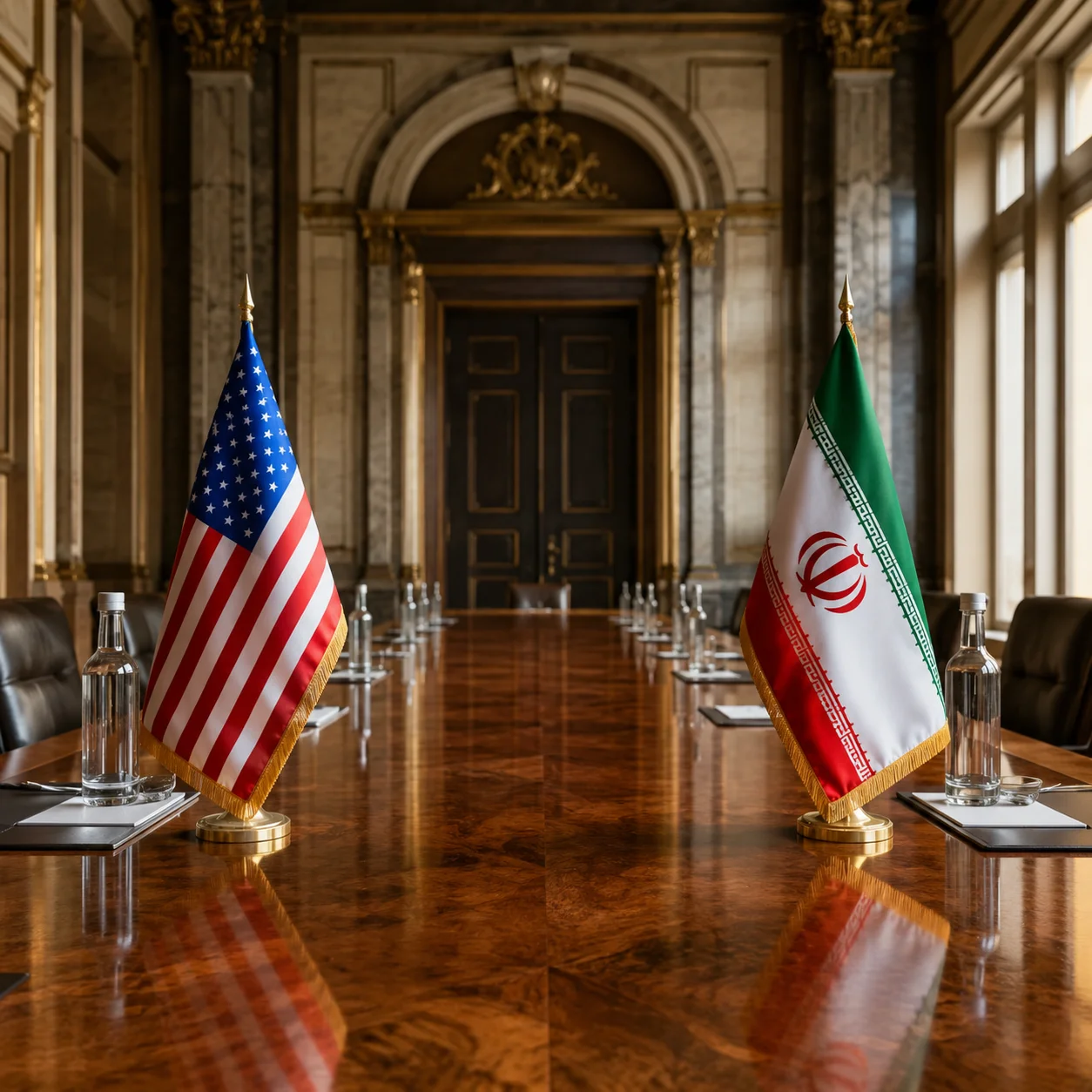
A New Chapter in US-Iran Relations?
After years of tensions, sanctions, diplomatic disputes, and regional conflicts, the United States and Iran appear to be taking cautious steps toward a possible agreement.
Following a marathon round of negotiations in Switzerland, mediators Qatar and Pakistan announced that both countries had agreed on a roadmap aimed at reaching a broader deal within the next 60 days. The development has attracted global attention, as the outcome could influence everything from Middle East stability and oil prices to international trade and regional security.
While many difficult issues remain unresolved, diplomats and analysts describe the latest talks as one of the most significant diplomatic developments in recent years.
The big question now is simple: Can these talks succeed where previous efforts struggled?
What Happened in Switzerland?
The latest diplomatic breakthrough emerged after senior representatives from Washington and Tehran participated in an extensive 12-hour meeting near Lake Lucerne in Switzerland.
The talks followed the signing of a 14-point memorandum of understanding (MoU), which established a framework designed to reduce tensions and encourage further dialogue between the two countries.
According to statements released by mediators Qatar and Pakistan, both sides made enough progress to agree on a structured roadmap that could potentially lead to a final agreement within 60 days.
While the announcement does not guarantee success, it represents a rare moment of direct diplomatic momentum between two countries that have experienced decades of strained relations.
Why Are These Talks So Important?
The relationship between the United States and Iran affects far more than just the two countries involved.
Their disputes have influenced:
- Global oil markets
- Regional conflicts
- International sanctions
- Maritime security
- Nuclear non-proliferation efforts
- Middle East stability
Any meaningful progress in negotiations could potentially reduce uncertainty in several of these areas.
Investors, governments, energy companies, and international organizations are closely monitoring developments because the impact could extend far beyond the Middle East.
A 60-Day Roadmap: What Does It Mean?
One of the most important outcomes of the meeting was the creation of a formal roadmap.
Under this framework, technical teams from both countries are expected to continue negotiations over the coming weeks.
The agreement establishes working groups focused on several major areas, including:
Nuclear Issues
One group will focus on Iran’s nuclear programme and future monitoring arrangements.
Sanctions
Another team will discuss sanctions and possible economic measures.
Monitoring and Dispute Resolution
A separate mechanism is expected to oversee implementation and help resolve disagreements that may emerge during negotiations.
Officials involved in the talks believe these working groups could help transform broad political commitments into practical agreements.
However, experts caution that technical negotiations are often far more difficult than political announcements.
The Nuclear Question Remains the Biggest Challenge
Perhaps the most complicated issue remains Iran’s nuclear programme.
For years, the international community has debated how Iran’s nuclear activities should be monitored and regulated.
Several key questions remain unanswered:
- Will Iran be allowed to continue uranium enrichment?
- What happens to existing enriched uranium stockpiles?
- How extensive will future inspections be?
- When could sanctions be eased?
These questions are expected to dominate upcoming negotiations.
Security analysts note that finding common ground on nuclear issues will likely determine whether the broader agreement succeeds or fails.
Even supporters of the talks acknowledge that this area remains one of the most difficult obstacles.
Strait of Hormuz Takes Centre Stage
Another major development from the talks involves maritime security.
Both sides reportedly agreed to establish direct communication channels regarding the Strait of Hormuz, one of the world’s most important shipping routes.
Why does this matter?
Nearly one-fifth of the world’s oil and gas supplies move through this narrow waterway.
Any disruption can affect global energy prices, shipping costs, and economic stability across multiple continents.
Recent tensions have already led to concerns among shipping companies and energy markets.
The newly proposed communication mechanism is designed to reduce misunderstandings and help ensure safe passage for commercial vessels.
Many analysts see this as one of the most practical outcomes of the negotiations so far.
Could Regional Tensions Begin to Ease?
Beyond nuclear issues and sanctions, the discussions also addressed broader regional concerns.
One notable outcome was the announcement of a “de-confliction mechanism” aimed at supporting efforts to reduce military tensions in Lebanon.
Regional conflicts have long complicated relations between Iran and Western countries.
The new mechanism is intended to create additional channels for dialogue and coordination.
Supporters believe such efforts could help prevent misunderstandings and reduce the risk of escalation.
However, critics argue that achieving meaningful progress on the ground may be much more complicated than reaching diplomatic understandings at negotiation tables.
The Economic Dimension: What About Sanctions?
Economic issues remain at the heart of the negotiations.
Iran has repeatedly emphasized the importance of sanctions relief as part of any future agreement.
Iranian officials have suggested that discussions included measures related to:
- Oil exports
- Petrochemical sales
- Frozen assets
- Economic development initiatives
However, questions remain regarding implementation.
Even if negotiators reach agreements, many economic measures may require additional political and legal processes before becoming reality.
This means that economic benefits could take time to materialize even if negotiations continue successfully.
Why Global Markets Are Paying Attention
The talks are not only a political story—they are also an economic one.
Whenever tensions involving Iran and the United States rise or fall, global markets often react.
Energy traders, investors, and shipping companies closely monitor developments because of their potential impact on:
Oil Prices
Reduced tensions can support stability in energy markets.
Shipping Routes
Safer maritime conditions benefit global trade.
Investment Sentiment
Diplomatic progress can reduce uncertainty in regional markets.
Economic Planning
Governments and businesses often adjust strategies based on geopolitical developments.
For these reasons, international financial institutions are watching the negotiations carefully.
Reality Check: Challenges Still Remain
While headlines may focus on progress, experienced observers urge caution.
History shows that diplomatic breakthroughs are often easier to announce than implement.
Several previous efforts involving the United States and Iran have encountered obstacles during later stages of negotiations.
Political pressures, security concerns, domestic opposition, and technical disagreements can all complicate the process.
The coming weeks will likely determine whether the latest optimism can be transformed into lasting progress.
What Happens Next?
The next phase is expected to involve detailed technical negotiations.
Working groups will continue discussions on nuclear matters, sanctions, monitoring systems, maritime security, and regional stability.
Regular reports are expected to be submitted to the newly established oversight committee.
If negotiations proceed smoothly, both sides could move closer to a broader agreement before the end of the proposed 60-day period.
If major disagreements emerge, however, the timeline could be extended.
Either way, the coming weeks are likely to be crucial.
Final Thoughts
The latest round of US-Iran negotiations represents a significant diplomatic moment at a time when global tensions remain high.
The announcement of a 60-day roadmap has created cautious optimism among diplomats and observers who hope that dialogue can replace confrontation.
Yet important questions remain unanswered. Nuclear issues, sanctions, regional conflicts, and implementation challenges continue to stand between today’s discussions and tomorrow’s agreements.
For now, the world is watching closely.
Will this roadmap lead to a lasting breakthrough, or will it become another chapter in a long history of difficult negotiations?
The answer may begin to emerge over the next two months.
Source:
Reports from Al Jazeera, statements issued by mediators Qatar and Pakistan, comments from international policy analysts, and public remarks from officials involved in the Switzerland negotiations.
Our audience means everything to us.
Have feedback or suggestions to make us better? We’re always listening—feel free to get in touch with us at truthora2026@gmail.com







Leave a Comment