

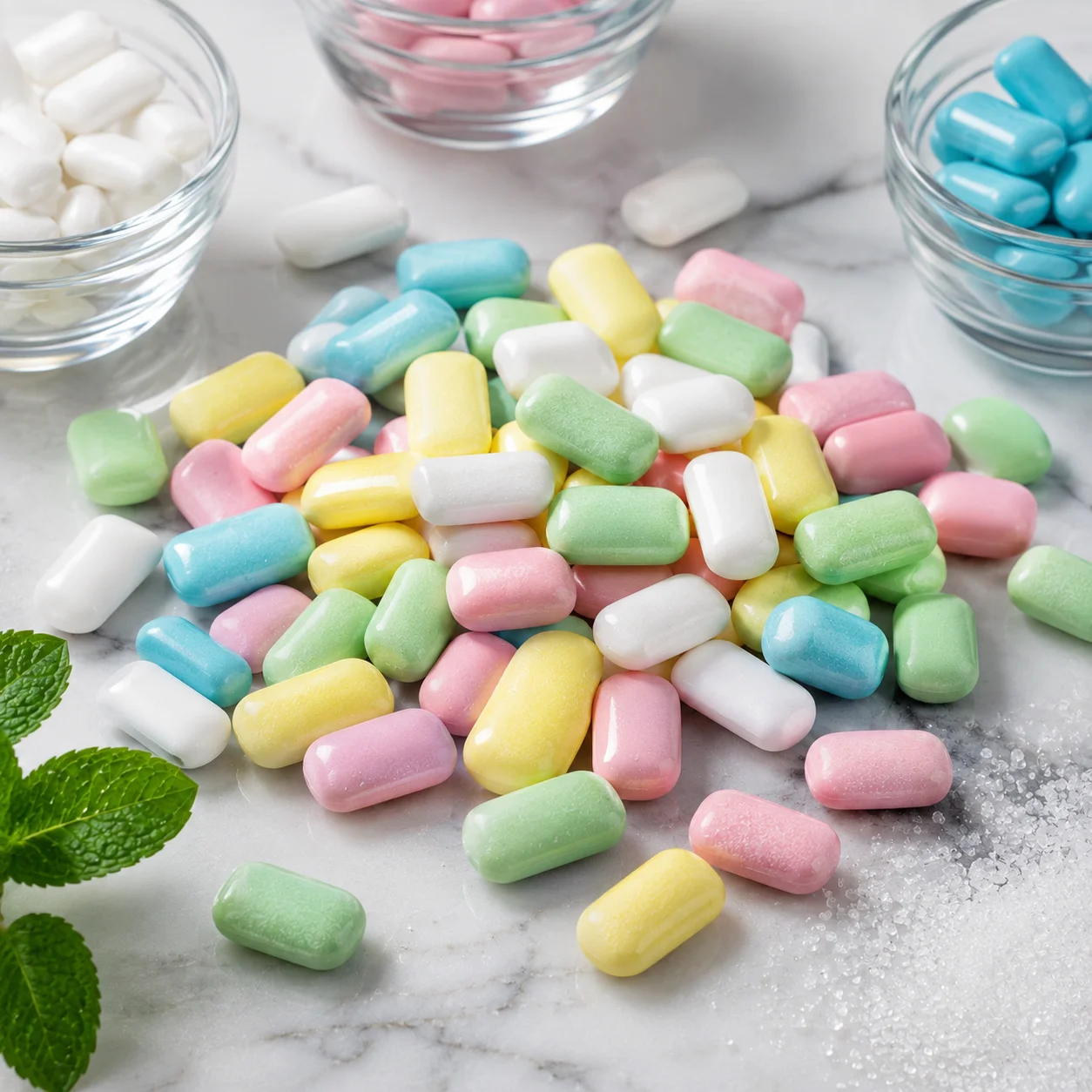
Scientists Discover a Possible Link Between a Popular Sweetener and Fatty Liver Disease
For years, sugar-free products have been marketed as a healthier alternative to traditional sugary snacks. From chewing gum and candies to protein bars and diet-friendly desserts, millions of people consume these products daily believing they are making a better choice for their health.
But what if one of the most common ingredients in these products isn’t as harmless as previously thought?
A new scientific study from researchers at Washington University in St. Louis is challenging long-held assumptions about sorbitol, a sugar alcohol widely used in reduced-sugar foods. The findings suggest that under certain conditions, sorbitol may contribute to the development of Metabolic Dysfunction-Associated Steatotic Liver Disease (MASLD), a condition previously known as non-alcoholic fatty liver disease.
The research has sparked interest among health experts worldwide because fatty liver disease is already becoming one of the most common chronic health conditions globally.
So, should people be worried about sugar-free products? Or is the reality more complicated?
Let’s take a closer look at what scientists discovered and what it could mean for consumers.
What Is Sorbitol and Why Is It So Popular?
If you’ve ever purchased sugar-free chewing gum, diabetic-friendly candies, protein bars, or low-calorie snacks, chances are you’ve consumed sorbitol.
Sorbitol belongs to a group of ingredients known as sugar alcohols. Despite the name, sugar alcohols are neither traditional sugar nor alcohol. They are commonly used because they provide sweetness with fewer calories and have a smaller impact on blood sugar levels compared to regular sugar.
Food manufacturers have embraced sorbitol because it offers several benefits:
- Lower calorie content
- Reduced impact on blood glucose
- Improved texture in processed foods
- Longer shelf life
- Suitable for many sugar-free products
Sorbitol also occurs naturally in several fruits and vegetables, including peaches, plums, apricots, and pears.
Because of these characteristics, many consumers have viewed sorbitol as a safer alternative to conventional sweeteners.
However, new evidence suggests the story may not be so simple.
The Growing Global Problem of Fatty Liver Disease
Before understanding the new findings, it’s important to know why liver health matters.
Metabolic Dysfunction-Associated Steatotic Liver Disease (MASLD) occurs when excess fat accumulates inside the liver. Over time, this can lead to inflammation, liver damage, and potentially serious complications.
Health experts estimate that nearly one-third of adults worldwide may have some form of fatty liver disease.
Several factors increase the risk:
- Obesity
- Type 2 diabetes
- High cholesterol
- Insulin resistance
- Poor dietary habits
- Sedentary lifestyle
For years, researchers have focused on fructose as one of the major dietary contributors to fatty liver disease.
Fructose is commonly found in soft drinks, processed foods, fruit juices, and many packaged products.
The new study suggests that sorbitol may play a role because it can eventually become fructose inside the body under specific conditions.
The Discovery That Surprised Scientists
The research team at Washington University wanted to better understand how the body processes sorbitol.
What they found challenged previous assumptions.
Researchers discovered that sorbitol may not always leave the body harmlessly.
Instead, when certain protective gut bacteria are missing or overwhelmed, sorbitol can travel to the liver where it is converted into fructose.
This is significant because fructose has already been linked to metabolic disorders and liver disease.
Dr. Gary Patti, senior author of the study and a professor of chemistry at Washington University, described sorbitol as being “one transformation away from fructose.”
That simple statement may have major implications for future nutritional research.
How Did Scientists Conduct the Study?
To investigate the process, researchers used zebrafish models.
While some people may wonder why zebrafish are used in scientific studies, they are actually valuable research tools because many biological processes in zebrafish closely resemble those in humans.
The scientists observed what happened when dietary glucose and sorbitol moved through the digestive system.
Their findings revealed a fascinating chain of events.
Normally, intestinal cells convert some glucose into sorbitol.
Under healthy conditions, gut bacteria break down this sorbitol before it reaches the liver.
In essence, the gut microbiome acts as a protective shield.
However, problems begin when this protective system is weakened.
When gut bacteria were depleted, sorbitol accumulated and traveled to the liver.
Once there, it was converted into fructose-related compounds that triggered increased sugar metabolism and fat accumulation inside liver cells.
The result was a condition similar to fatty liver disease.
Why Gut Bacteria May Be the Real Hero
One of the most interesting aspects of the study is the role played by the gut microbiome.
In recent years, scientists have increasingly recognized the importance of gut bacteria in overall health.
The trillions of microorganisms living inside our digestive system influence:
- Digestion
- Immunity
- Weight management
- Mental health
- Metabolism
This latest research adds another potential function to the list.
According to the study, healthy gut bacteria appear capable of breaking down sorbitol before it reaches the liver.
When researchers reintroduced specific sorbitol-degrading bacteria into the digestive system, the harmful effects were significantly reduced.
This finding highlights just how important a healthy gut microbiome may be.
Can Too Much Sorbitol Become a Problem?
The study suggests moderation may be the key factor.
Researchers emphasized that normal amounts of sorbitol are generally handled effectively by the body.
The concern arises when:
- Sorbitol consumption becomes excessive
- Blood sugar levels remain consistently elevated
- Gut bacteria are disrupted
- Metabolic health is already compromised
Under these conditions, the body’s natural protective mechanisms may become overwhelmed.
This could increase the likelihood of sorbitol reaching the liver and contributing to fat accumulation.
The findings do not suggest that everyone should immediately stop consuming products containing sorbitol.
Rather, they highlight the importance of understanding how the body processes these ingredients.
Are Sugar-Free Foods Always Healthy?
This question has become increasingly relevant.
Many consumers automatically assume that products labeled “sugar-free” are healthier than their traditional counterparts.
In reality, nutrition is rarely that simple.
Sugar-free products often contain alternative sweeteners that affect the body in different ways.
Some may be beneficial in certain situations, while others may have effects that scientists are only beginning to understand.
The new study serves as a reminder that reducing sugar intake is important, but replacing sugar with alternative ingredients does not automatically eliminate health risks.
A healthy diet depends on the overall quality of food rather than a single ingredient claim on packaging.
What Does This Mean for Everyday Consumers?
For most people, there is no reason to panic.
The study does not prove that sorbitol directly causes liver disease in humans.
Instead, it identifies a possible biological pathway that may increase risk under specific circumstances.
Health experts generally recommend:
Maintain a Healthy Gut Microbiome
A diverse diet rich in fiber, fruits, vegetables, and fermented foods can support healthy gut bacteria.
Avoid Excessive Processed Foods
Even sugar-free products should be consumed in moderation.
Focus on Overall Diet Quality
Whole foods remain the foundation of good health.
Monitor Liver Health
Individuals with obesity, diabetes, or metabolic syndrome may benefit from discussing liver health with healthcare professionals.
What Questions Still Need Answers?
As with many scientific discoveries, this study opens the door to new questions.
Researchers now want to determine:
- Do the same mechanisms occur in humans?
- Which gut bacteria offer the strongest protection?
- How much sorbitol is considered excessive?
- Are some individuals more vulnerable than others?
- Can probiotic treatments reduce potential risks?
Future studies will likely focus on answering these important questions.
The Bottom Line
The latest research from Washington University highlights an important reality of modern nutrition: ingredients once considered harmless may have more complex effects than previously understood.
Sorbitol remains a widely used sweetener and is still considered safe for consumption within current guidelines. However, this study suggests that under certain conditions, especially when gut bacteria are disrupted, sorbitol may contribute to liver fat accumulation by being converted into fructose.
Perhaps the most important takeaway is not fear, but awareness.
The human body is incredibly complex, and the relationship between diet, gut bacteria, and metabolic health continues to surprise scientists.
As research advances, consumers may gain a better understanding of how everyday food choices affect long-term health.
For now, experts agree on one thing: maintaining a balanced diet, supporting gut health, and limiting excessive consumption of processed foods remain some of the best strategies for protecting overall wellbeing.
Source:
Science Signaling, Washington University in St. Louis (WashU), Healthline, Medical News Today, ScienceDaily.
Our audience means everything to us.
Have feedback or suggestions to make us better? We’re always listening—feel free to get in touch with us at truthora2026@gmail.com









Leave a Comment