

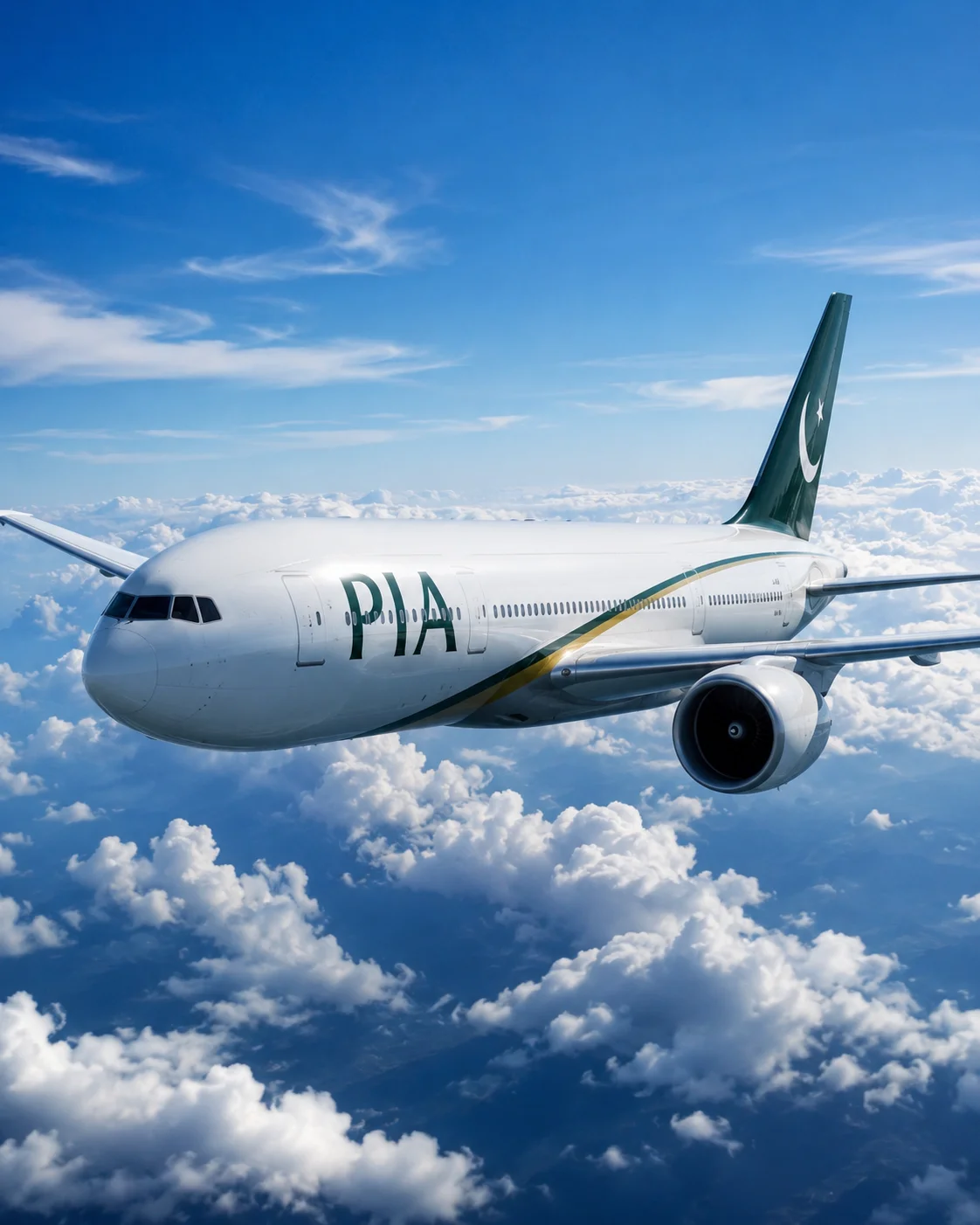
Pakistan International Airlines (PIA) has officially entered a new phase in its history after management control was transferred to PIA Equity Ltd, a special purpose company established by the Arif Habib-led consortium. The transition marks the completion of the first financial closing of Pakistan’s largest privatization deal in decades and signals the beginning of an ambitious plan to revive the country’s national airline.
The handover ceremony was attended by Prime Minister Shehbaz Sharif, Deputy Prime Minister and Foreign Minister Ishaq Dar, and Chief of Army Staff Field Marshal Asim Munir, highlighting the importance the government has attached to the transaction. Officials described the development as a significant milestone in Pakistan’s broader economic reform agenda and an important step toward restoring investor confidence.
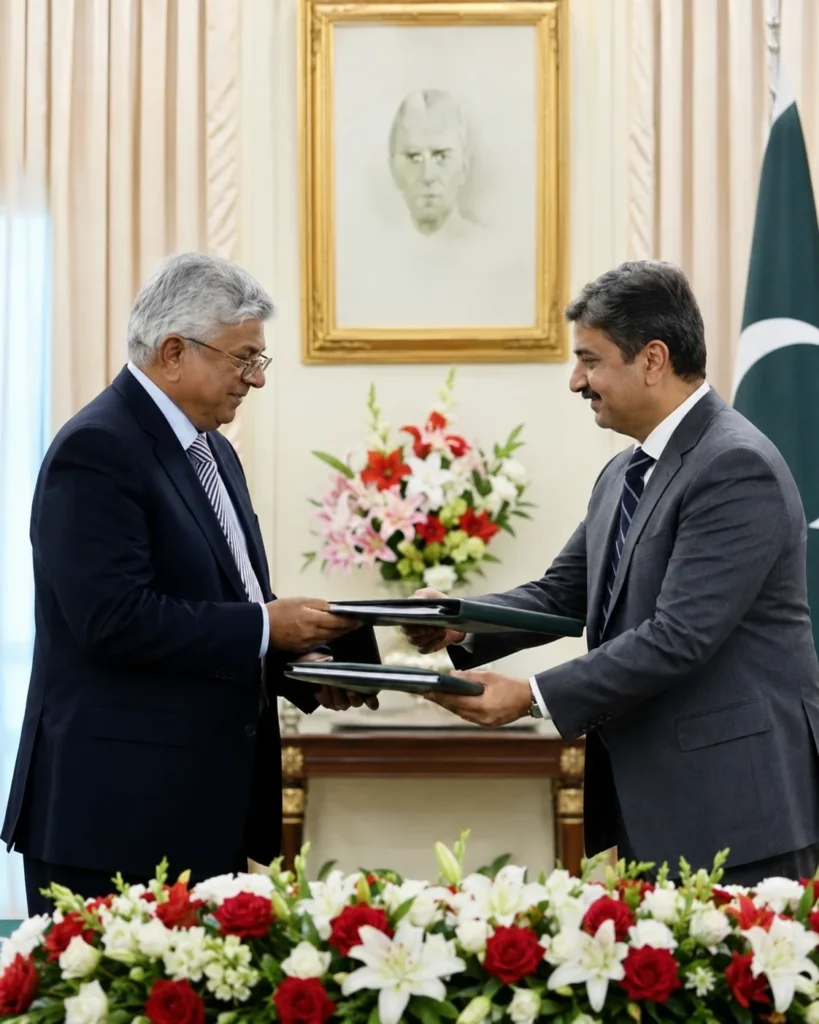
Under the agreement, the total investment commitment stands at Rs180 billion. Of this amount, Rs125 billion will be injected directly into PIA as fresh capital to strengthen the airline’s financial position, while Rs55 billion will be paid to the Government of Pakistan as part of the privatization transaction. The fresh investment is expected to support fleet modernization, expansion of international and domestic routes, improved customer service, and upgrades to operational systems.
In a statement issued after assuming management, PIA Equity Ltd said rebuilding public confidence would remain its highest priority. The company acknowledged that trust cannot be gained overnight and pledged to earn it through consistent improvements in reliability, service quality, and operational performance.

Industry experts believe the airline’s revival will depend not only on financial investment but also on efficient management, stronger governance, improved punctuality, and a better passenger experience. If these goals are achieved, PIA could gradually strengthen its position in regional and international aviation markets.
The privatization follows a competitive bidding process in which the Arif Habib-led consortium secured a 75 percent stake in the airline with a winning bid of Rs135 billion. The consortium later initiated the process to acquire the remaining government stake, paving the way for complete private ownership in accordance with the agreed transaction framework.
The consortium includes several well-known Pakistani corporate groups, including Arif Habib Corporation, Fatima Fertiliser Company, Fauji Fertiliser Company, Lake City Holdings, The City School Group, and AKD Group Holdings. Together, these investors aim to transform PIA into a financially stable and internationally competitive airline.
Pakistan’s efforts to privatize PIA have been underway for years due to the airline’s long-standing financial challenges. Previous attempts failed to attract suitable offers, but the government’s restructuring measures—including addressing legacy liabilities and introducing investor-friendly incentives—helped make the latest transaction successful. Analysts say the completion of this deal could encourage future investment in other state-owned enterprises as Pakistan continues its economic reform program.
For passengers, the biggest question is whether the new ownership will deliver visible improvements. The consortium has promised to focus on service quality, operational efficiency, and modernization while preserving PIA’s historic identity. If these commitments translate into real changes, travelers could see better connectivity, improved onboard services, and a more competitive national carrier in the years ahead.
Source:
Ministry of Privatisation (Pakistan), PIA, Dawn, Arab News, Gulf News.
Our audience means everything to us.
Have feedback or suggestions to make us better? We’re always listening—feel free to get in touch with us at truthora2026@gmail.com






Leave a Comment