

Scientists have uncovered a promising lead in the fight against melanoma after studying a tiny marine organism living in the icy waters of Antarctica. While the research is still in its early stages, experts believe a naturally produced compound found within these sea creatures could one day contribute to the development of a new treatment for one of the world’s deadliest forms of skin cancer.
A research team from the University of South Florida (USF) recently completed a six-week scientific expedition to Antarctica, where they collected samples of ascidians, commonly known as sea squirts. These simple marine animals survive in one of the harshest environments on Earth by relying on chemical defenses against predators. Researchers discovered that bacteria living inside these organisms produce compounds with remarkable anti-cancer potential.
According to the scientists, laboratory studies have already shown encouraging results. The naturally occurring toxin successfully destroyed melanoma cells in mice while leaving the animals unharmed, suggesting that the compound may selectively target cancer cells rather than healthy tissue. This selectivity is considered one of the most important qualities researchers look for when developing future cancer medicines.
Although the findings are exciting, researchers stress that the journey from laboratory discovery to an approved medicine is a long one. Before any treatment can reach patients, it must undergo extensive testing in additional animal studies followed by carefully regulated human clinical trials to prove both safety and effectiveness.
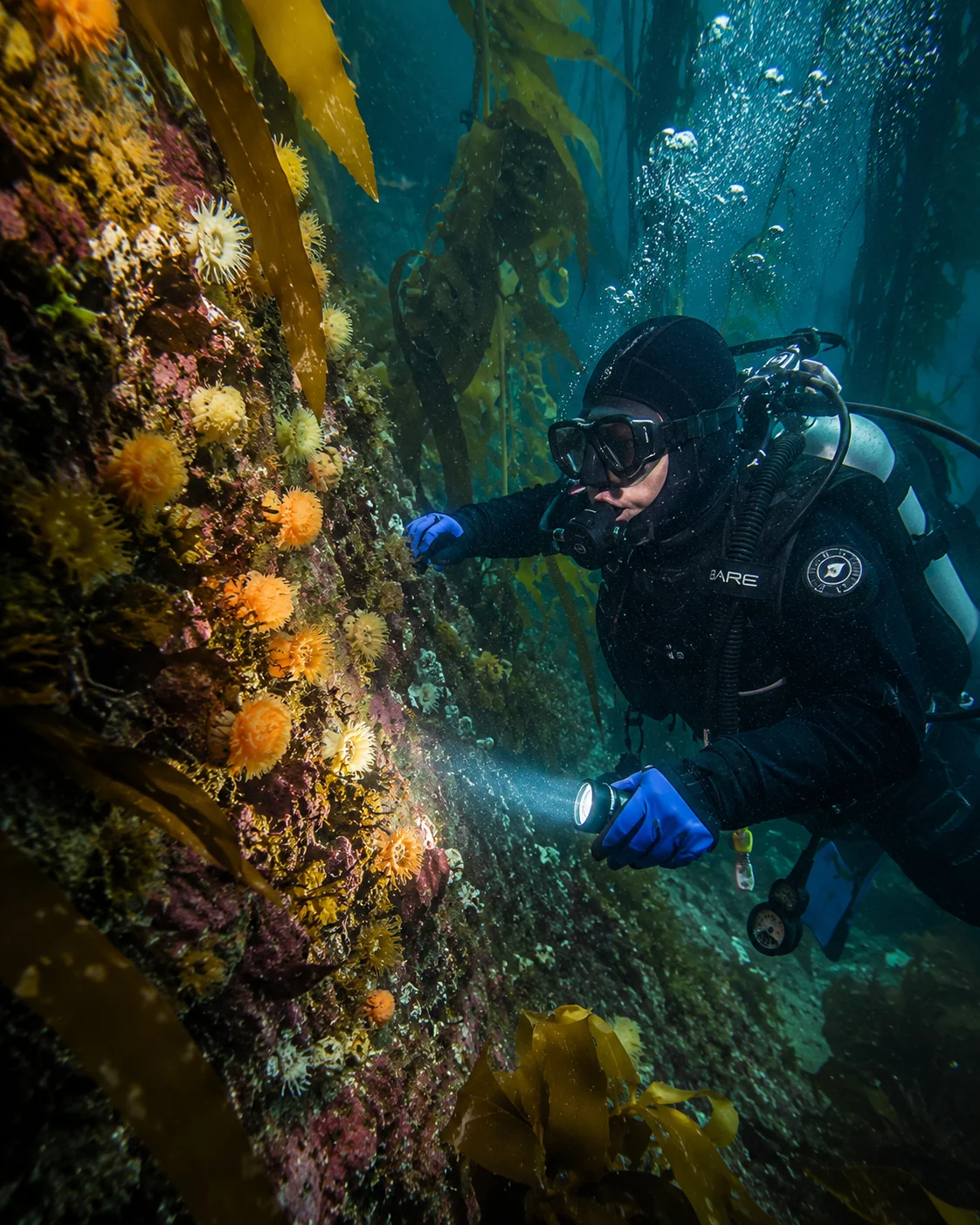
The Antarctic expedition itself was far from routine. Divers worked in freezing waters, often reaching depths of around 130 feet while dealing with floating ice, changing sea conditions, limited underwater visibility and even the possibility of encountering leopard seals. Every dive required careful planning to ensure both scientific success and team safety.
Scientists say the latest expedition has also improved their understanding of how the bacteria live inside the ascidians and produce the cancer-fighting compound. That knowledge could help researchers recreate the substance in laboratories rather than harvesting it from Antarctica, an approach that would protect the fragile ecosystem while making larger-scale drug development possible.
Producing enough of the compound remains one of the biggest challenges. The amount naturally available inside the sea squirts is extremely small, making large-scale collection both impractical and environmentally harmful. As a result, research teams are now focusing on synthetic production methods that could eventually provide sufficient quantities for future studies.
Marine organisms have long attracted scientific interest because many modern medicines originate from natural compounds. Researchers believe Antarctica’s unique ecosystem, isolated for millions of years, may still contain many undiscovered substances with medical value. This latest discovery adds to growing evidence that some of the world’s most remote environments could hold important clues for treating serious diseases.
While a melanoma drug based on this research is still years away, scientists describe the findings as an important milestone. If future studies continue to produce positive results, the tiny sea squirt and its microscopic bacterial partner could eventually help shape a new generation of cancer therapies.
Source:
University of South Florida (USF) Newsroom, The Guardian, Discover Magazine, National Science Foundation.
Our audience means everything to us.
Have feedback or suggestions to make us better? We’re always listening—feel free to get in touch with us at truthora2026@gmail.com









Leave a Comment