

Fresh Diplomatic Push Raises Hopes for De-escalation
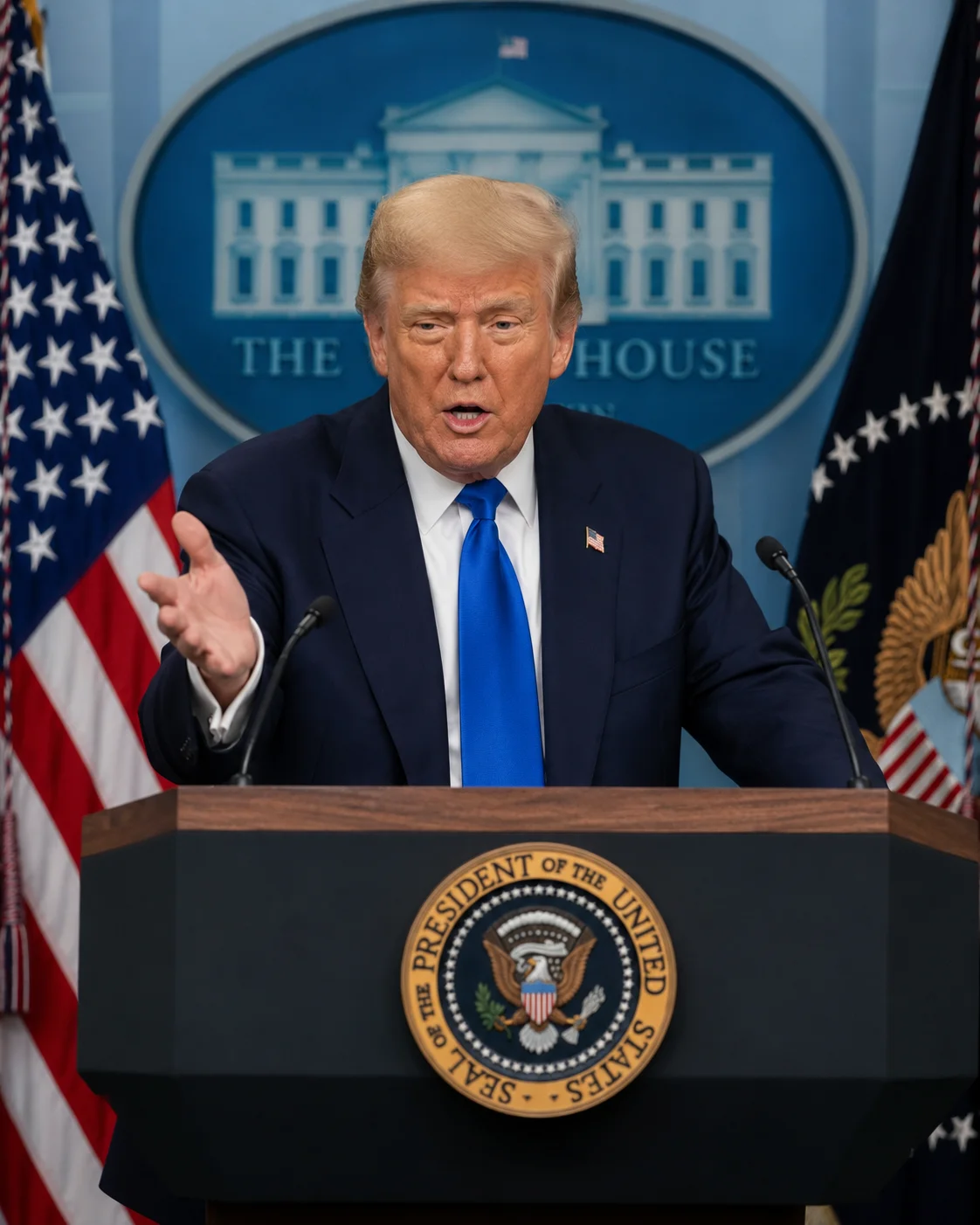
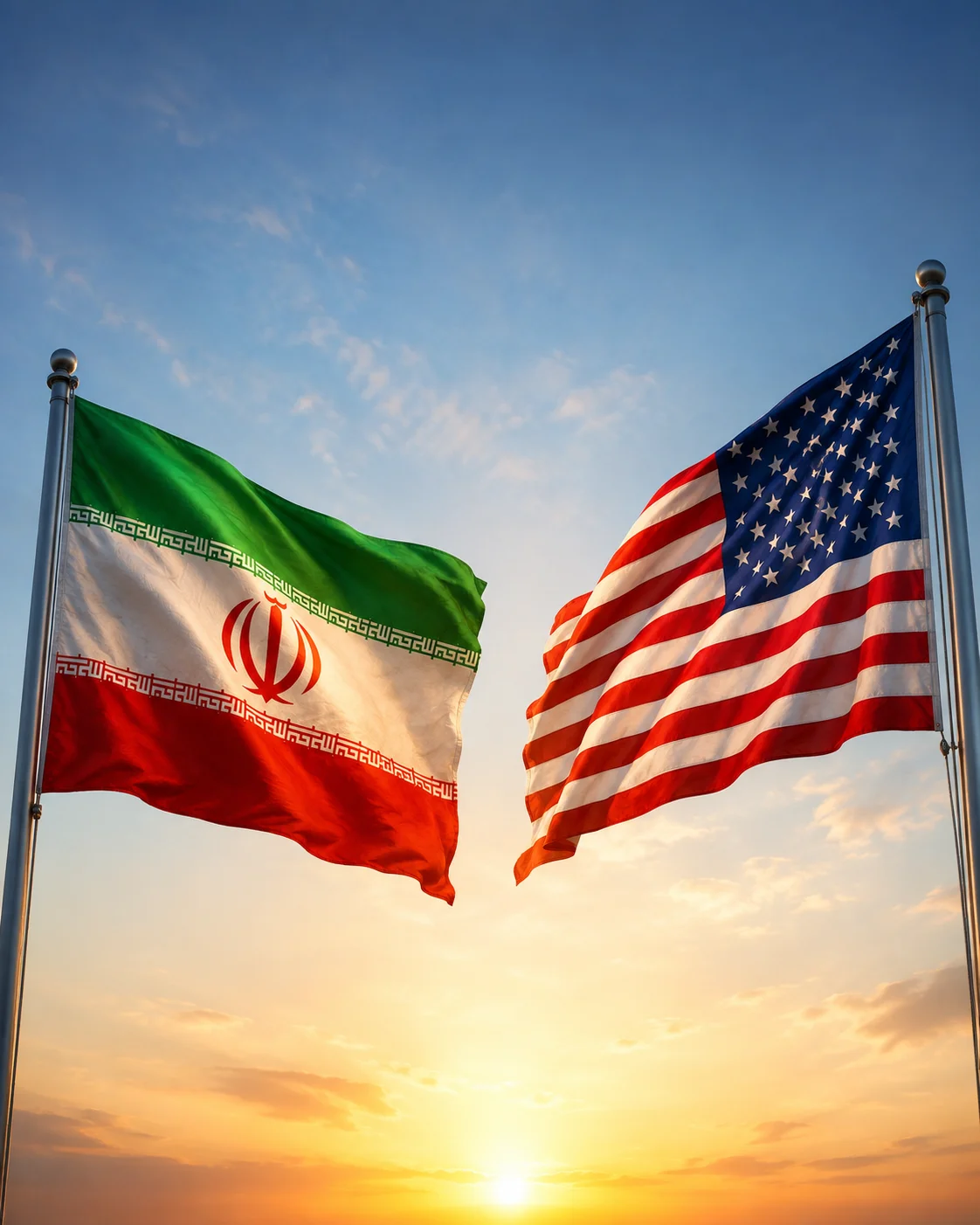
The United States and Iran may be preparing for another round of diplomacy after U.S. President Donald Trump announced that Tehran had requested a meeting in Doha, Qatar. According to Trump, the talks are expected to take place on Tuesday, although Iranian officials have offered a more cautious response regarding the schedule.
The announcement comes at a critical time as both countries attempt to prevent the recent military confrontation from escalating further. Diplomatic mediators have been working behind the scenes to keep communication channels open following days of heightened tensions in the Gulf region.
Iran Seeks Release of Frozen Funds
Alongside the diplomatic developments, Iranian President Masoud Pezeshkian said that $6 billion of Iranian assets currently held in Qatar should be transferred back to Iran under agreements reached with Washington. He added that officials are continuing discussions to secure the release of the remaining frozen funds.
The financial issue remains one of several key topics linked to the broader negotiations between Tehran and Washington, with both sides attempting to implement previously agreed commitments.
Mixed Signals Over Technical Negotiations
While President Trump stated that talks would take place in Doha, Iran’s Deputy Foreign Minister Kazem Gharibabadi said no technical working group meetings had been officially scheduled for this week.
According to Iranian officials, consultations with Qatar are continuing, but discussions regarding the timing and location of future technical meetings have not yet been finalized. Tehran stressed that formal negotiations will only begin after both sides agree on the necessary arrangements.
Strait of Hormuz Remains at the Center of Discussions
One of the most important issues in the ongoing negotiations is the future management and security of the Strait of Hormuz, one of the world’s busiest energy shipping routes.
Iran and Oman recently held the first meeting of a joint committee in Muscat to discuss cooperation and future management of the strategic waterway. Officials from both countries exchanged views on regional maritime security and the implementation of commitments made under their interim understanding.
Shipping Activity Slows After Security Incidents
Commercial shipping through the Strait of Hormuz continues, but at a slower pace following recent attacks on merchant vessels that renewed concerns among shipping companies and insurers.
Several oil tankers and container ships successfully completed their journeys over the weekend, showing that traffic has not stopped completely. However, industry experts note that many shipowners remain cautious while closely monitoring the security situation.
Maritime security organizations have also raised the threat level in the region, advising vessels to remain alert because of ongoing military activity and potential navigation risks.
International Community Pushes for Stability
World leaders continue urging restraint as fears grow that any further escalation could affect global energy supplies and regional security.
French President Emmanuel Macron and Saudi Crown Prince Mohammed bin Salman recently discussed the importance of protecting freedom of navigation and supporting diplomatic efforts aimed at reducing tensions in the Gulf.
Meanwhile, U.S. officials argue that regional countries are expanding alternative oil export routes, reducing Iran’s ability to use the Strait of Hormuz as leverage during negotiations.
Outlook
Although uncertainty remains over the exact timing and format of future negotiations, both Washington and Tehran appear interested in keeping diplomatic channels open despite recent military exchanges.
The coming days could prove crucial as mediators work to transform fragile understandings into more lasting agreements. Markets, governments and energy companies around the world will be watching closely, knowing that developments in the Strait of Hormuz have consequences far beyond the Middle East.
Source:
Reuters, Associated Press (AP), Al Jazeera
Our audience means everything to us.
Have feedback or suggestions to make us better? We’re always listening—feel free to get in touch with us at truthora2026@gmail.com




Leave a Comment