

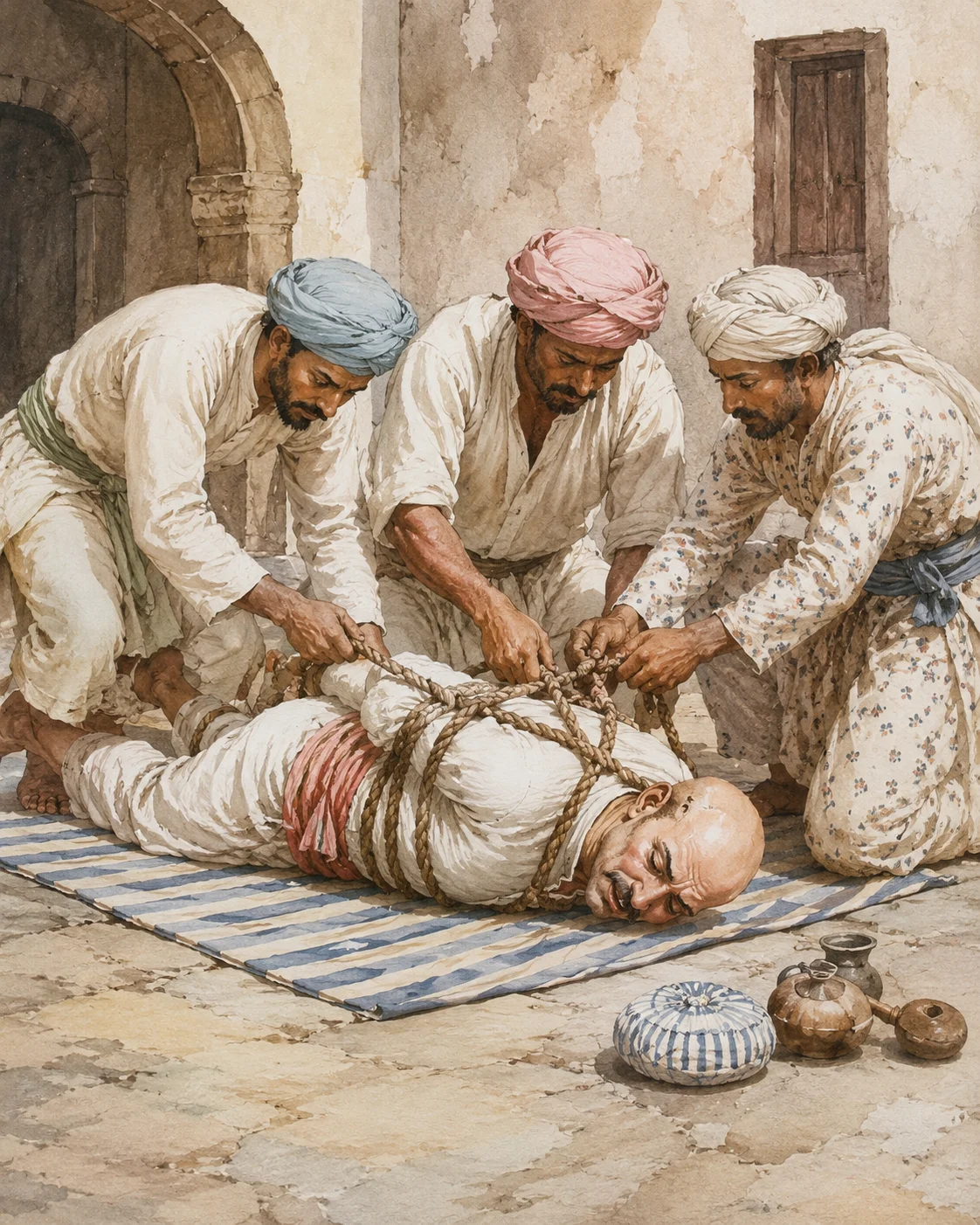
A newly proposed law in Punjab has triggered widespread discussion among legal experts, policymakers, and civil rights advocates. The Punjab Control of Habitual Offenders and Anti-Social Behaviour Bill, 2026 seeks to replace older legislation with a broader legal framework aimed at tackling habitual offenders and activities considered harmful to public order.
Supporters say the bill will strengthen law enforcement against organized crime and repeat offenders. Critics, however, argue that several provisions could significantly expand executive powers while raising important questions about due process and individual rights.
What Is the Punjab Anti-Social Behaviour Bill 2026?
The proposed legislation has already been approved by a Punjab Assembly committee and is awaiting a final vote in the provincial assembly.
Introduced by PML-N MPA Khalid Mahmood Ranjha, a retired district and sessions judge, the bill aims to repeal the century-old Restriction of Habitual Offenders (Punjab) Act, 1918 and replace it with a more comprehensive legal framework designed to address modern security challenges.
According to the draft, authorities would be able to classify certain individuals as habitual offenders or identify conduct as anti-social under specific legal conditions.
What Powers Would the Bill Introduce?
One of the most discussed aspects of the proposed legislation is the range of powers that could become available to authorities if the bill becomes law.
Among the measures included in the draft are:
- Electronic monitoring of designated individuals.
- Freezing of bank accounts.
- Seizure of movable and immovable property.
- Confiscation of mobile phones, laptops, and digital data.
- Removal or blocking of certain online and social media accounts.
- Restrictions on passports and identity documents.
- Expanded surveillance using modern technology.
The bill also proposes creating a registry for habitual offenders and maintaining biometric and other identification records under specific legal procedures.
Which Activities Are Covered?
The proposed law lists 23 categories of anti-social behaviour.
These include serious offences such as organized crime and drug trafficking, while also covering public nuisance-related offences, certain online activities, and other conduct considered disruptive to public order.
The draft further authorizes District Intelligence Committees to recommend additional activities for inclusion under the law, a provision that has become one of the main points of public debate.
Why Are Critics Raising Concerns?
Legal analysts and civil rights advocates have expressed concern that several enforcement measures could be applied before a court reaches a final conviction.
According to the draft, certain administrative actions may be initiated based on police reports, investigations, or other specified legal grounds instead of a completed criminal trial.
Critics argue that this could affect the principle of due process and expand executive authority, while supporters maintain the powers are necessary to address repeat criminal activity more effectively.
Historical Background
Observers have also noted that the proposed legislation replaces laws dating back to British colonial rule and later amendments introduced during the 20th century.
Some legal commentators believe the bill modernizes outdated legislation, while others argue it preserves and expands administrative powers that have historically been controversial.
This historical comparison has become an important part of the ongoing public discussion surrounding the proposed law.
What Happens Next?
The Punjab Assembly is expected to vote on the legislation in the coming days.
If approved, the bill would become one of the most significant legal reforms relating to public order and habitual offenders in Punjab in recent years.
Its implementation, however, is likely to remain under close legal and public scrutiny, particularly regarding how its powers are exercised and interpreted.
Final Thoughts
The Punjab Control of Habitual Offenders and Anti-Social Behaviour Bill 2026 represents a major proposed change in the province’s legal framework.
Whether viewed as a stronger tool against crime or as legislation requiring additional safeguards, the bill has already generated nationwide discussion. The final decision by the Punjab Assembly—and any future legal challenges—will determine how these proposed powers shape law enforcement in Punjab.
Source:
Reuters, Associated Press (AP), BBC News.
Our audience means everything to us.
Have feedback or suggestions to make us better? We’re always listening—feel free to get in touch with us at truthora2026@gmail.com








Leave a Comment