

Government Announces Major Changes to Vehicle Tax Policy
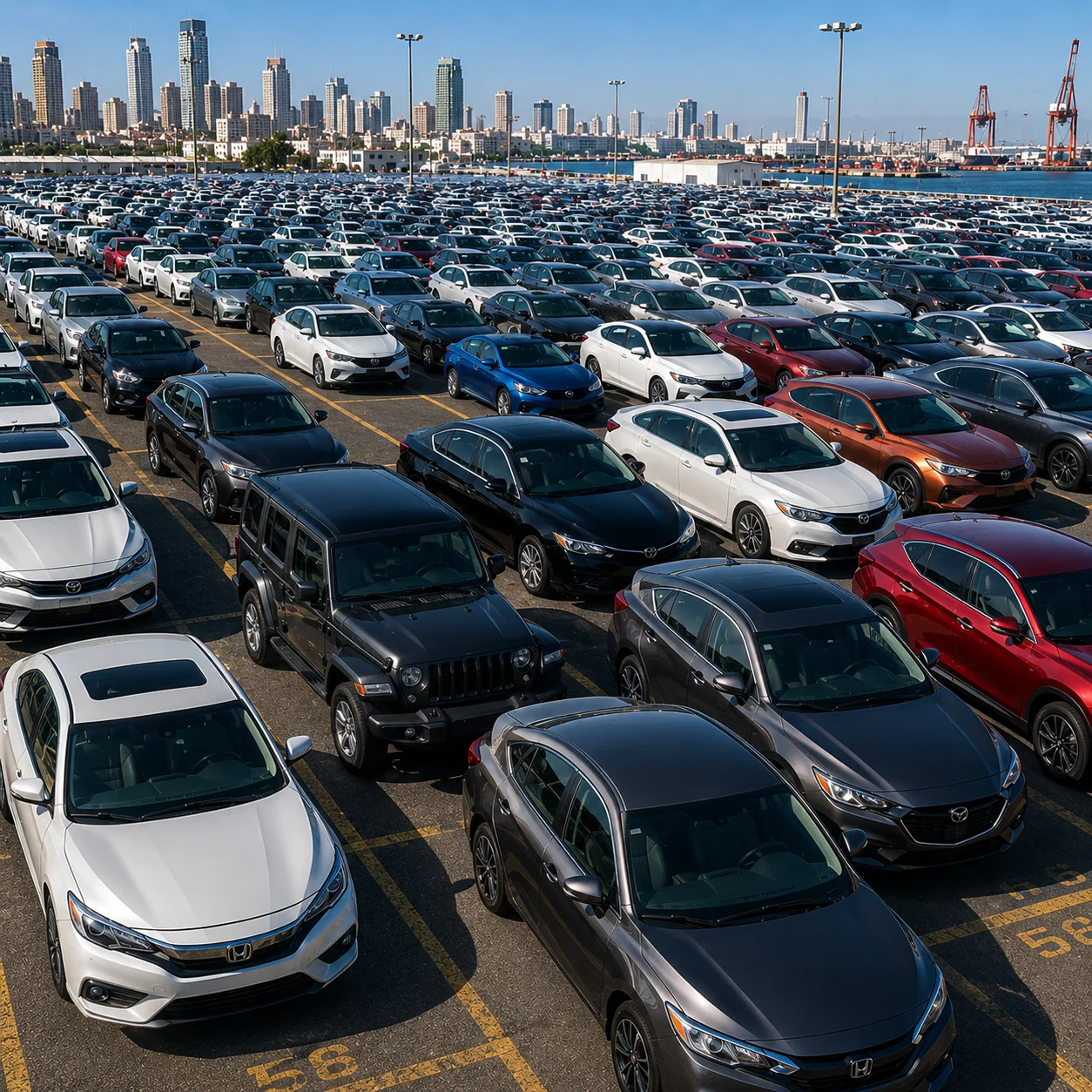
Pakistan’s automobile sector could soon witness significant changes as the government moves to protect buyers of smaller vehicles while imposing heavier taxes on imported luxury, hybrid, and electric vehicles.
During a meeting of the National Assembly Standing Committee on Finance, officials confirmed that vehicles with engine capacities of up to 1800cc will remain exempt from the proposed special excise duty. At the same time, lawmakers approved higher customs and special excise duties on imported premium vehicles, a move aimed at increasing government revenue and regulating luxury imports.
The announcement has attracted attention across the country, particularly among car buyers who have been closely watching developments related to the federal budget and taxation policies.
For many middle-class families, the decision provides a degree of reassurance. But what exactly do these changes mean, and who will be affected the most?
Relief for Middle-Class Car Buyers
One of the biggest concerns among vehicle buyers was whether smaller family cars would become more expensive under the new taxation framework.
According to Minister of State for Finance Bilal Azhar Kayani, the government intentionally decided not to impose the proposed special excise duty on vehicles up to 1800cc.
The reasoning behind this decision appears straightforward: policymakers do not want to increase the financial burden on middle-income consumers who typically purchase smaller sedans, hatchbacks, and crossover vehicles.
In recent years, car ownership has become increasingly challenging due to inflation, higher financing costs, and rising vehicle prices. Industry experts believe that exempting smaller vehicles from additional taxation could help maintain affordability for a large segment of the market.
For many families planning to purchase a car, this announcement may come as welcome news.
Luxury Vehicles Face Much Higher Duties
While smaller vehicles have been spared, the same cannot be said for luxury imports.
Federal Board of Revenue (FBR) officials informed the parliamentary committee that imported vehicles with engine capacities between 2,000cc and 3,000cc will face an 86 percent special excise duty.
Even more significantly, imported vehicles with engines larger than 3,000cc will be subject to a 92 percent special excise duty.
The committee approved both proposals.
These duties represent one of the most aggressive tax measures targeting high-end vehicle imports in recent years. The government believes such measures will help generate additional revenue while discouraging excessive spending on luxury imports.
Supporters argue that luxury vehicles are purchased by a relatively small segment of society and therefore should contribute more to the national tax base.
Critics, however, say that extremely high taxation can distort market dynamics and encourage unofficial import channels.
What About Electric Vehicles?
Perhaps the most interesting part of the discussion involves electric vehicles (EVs).
Around the world, governments are encouraging EV adoption through tax incentives and subsidies as part of efforts to reduce emissions and promote cleaner transportation.
Pakistan, however, appears to be taking a more balanced approach.
The committee approved customs duties ranging from 30 percent to 40 percent on imported electric vehicles.
Under the approved proposal:
- Electric vehicles valued up to $75,000 will face a 30 percent customs duty.
- Electric vehicles valued above $110,000 will attract a 40 percent customs duty.
These changes primarily affect premium imported EVs rather than entry-level electric vehicles.
Government officials argue that the objective is not to discourage EV adoption altogether but to ensure that high-value imported vehicles contribute appropriately to tax revenues.
Positive News for EV Manufacturers
Despite higher duties on imported electric vehicles, there was also encouraging news for the EV industry.
Lawmakers approved a proposal to extend the reduced one percent sales tax on imported components used in electric vehicle manufacturing for another year.
Industry observers see this as an important step.
Why?
Because it supports local assembly and manufacturing rather than finished vehicle imports.
Pakistan has been attempting to develop a domestic electric vehicle ecosystem. Lower taxes on components can help manufacturers reduce production costs and potentially make locally assembled EVs more competitive.
This dual strategy—supporting local production while increasing taxes on expensive imports—reflects the government’s broader industrial policy goals.
Hybrid Vehicles Also Included
Hybrid vehicles were not left out of the taxation changes.
The committee approved customs duties ranging from 30 percent to 40 percent on imported hybrid vehicles, along with special excise duties between 86 percent and 92 percent depending on vehicle specifications.
This means buyers considering imported hybrid luxury vehicles could face significantly higher costs once the new measures are implemented.
Industry experts believe the policy is designed to prioritize domestic assembly and reduce reliance on imported high-end vehicles.
Why Is the Government Increasing Vehicle Taxes?
Many Pakistanis are asking a simple question:
Why raise taxes now?
The answer largely comes down to revenue generation.
Pakistan continues to face fiscal challenges and remains focused on increasing tax collection while managing imports and supporting economic stability.
Luxury vehicles represent a category where policymakers believe additional revenue can be generated without directly affecting the majority of consumers.
Government officials have repeatedly emphasized that ordinary car buyers should not bear the burden of new taxation measures.
By exempting vehicles up to 1800cc and targeting higher-end imports, authorities aim to strike a balance between revenue collection and consumer protection.
Whether this balance succeeds remains a topic of debate among economists and industry stakeholders.
Impact on the Auto Industry
The new proposals could have several consequences for Pakistan’s automotive market.
Higher Prices for Luxury Imports
Imported luxury vehicles are likely to become significantly more expensive if the proposed duties are fully implemented.
Increased Focus on Local Assembly
Higher import taxes may encourage consumers to consider locally assembled alternatives where available.
Growth Opportunities for Local EV Manufacturing
The extension of reduced sales tax on EV components could support investment in domestic electric vehicle production.
Stable Demand for Smaller Cars
Since vehicles up to 1800cc remain exempt from the special excise duty, demand in this segment may remain relatively stable.
Mobile Phone Duty Relief Also Discussed
Interestingly, the same committee meeting also discussed imported mobile phone taxation.
FBR Chairman Rashid Mahmood Langrial informed lawmakers that the existing 20 percent regulatory duty on imported mobile phones would be reviewed and reduced.
Although no timeline was announced, the statement has generated interest among consumers hoping for lower smartphone prices in the future.
The discussion reflects broader government efforts to review taxation policies affecting everyday consumers while maintaining revenue targets.
What Does This Mean for Consumers?
For most Pakistanis, the immediate impact is relatively straightforward.
If you are planning to purchase a vehicle with an engine capacity of up to 1800cc, there is currently no indication of an additional special excise duty being imposed.
However, if you are considering importing a luxury, hybrid, or high-end electric vehicle, costs could rise substantially due to the newly approved duties.
The government’s message appears clear: protect middle-income buyers while increasing taxation on premium imports.
Whether this approach delivers the desired economic outcomes will depend on market responses, consumer behavior, and future developments in the auto industry.
Final Thoughts
Pakistan’s latest vehicle taxation proposals mark an important moment for the country’s automotive sector.
By exempting smaller vehicles from additional taxation, the government has attempted to shield ordinary consumers from higher costs. At the same time, luxury, hybrid, and premium electric vehicle imports are being targeted with significantly higher duties.
The policy reflects a broader strategy focused on revenue generation, import management, and support for local manufacturing.
As the new fiscal year approaches, car buyers, manufacturers, and industry stakeholders will continue to monitor how these changes affect vehicle prices and market trends.
One thing is certain: the decisions made today could shape the future of Pakistan’s automobile industry for years to come.
Source:
National Assembly Standing Committee on Finance proceedings, Federal Board of Revenue (FBR), Ministry of Finance statements, and reports published by Dunya News and other Pakistani media outlets.
Our audience means everything to us.
Have feedback or suggestions to make us better? We’re always listening—feel free to get in touch with us at truthora2026@gmail.com







Leave a Comment