

Introduction
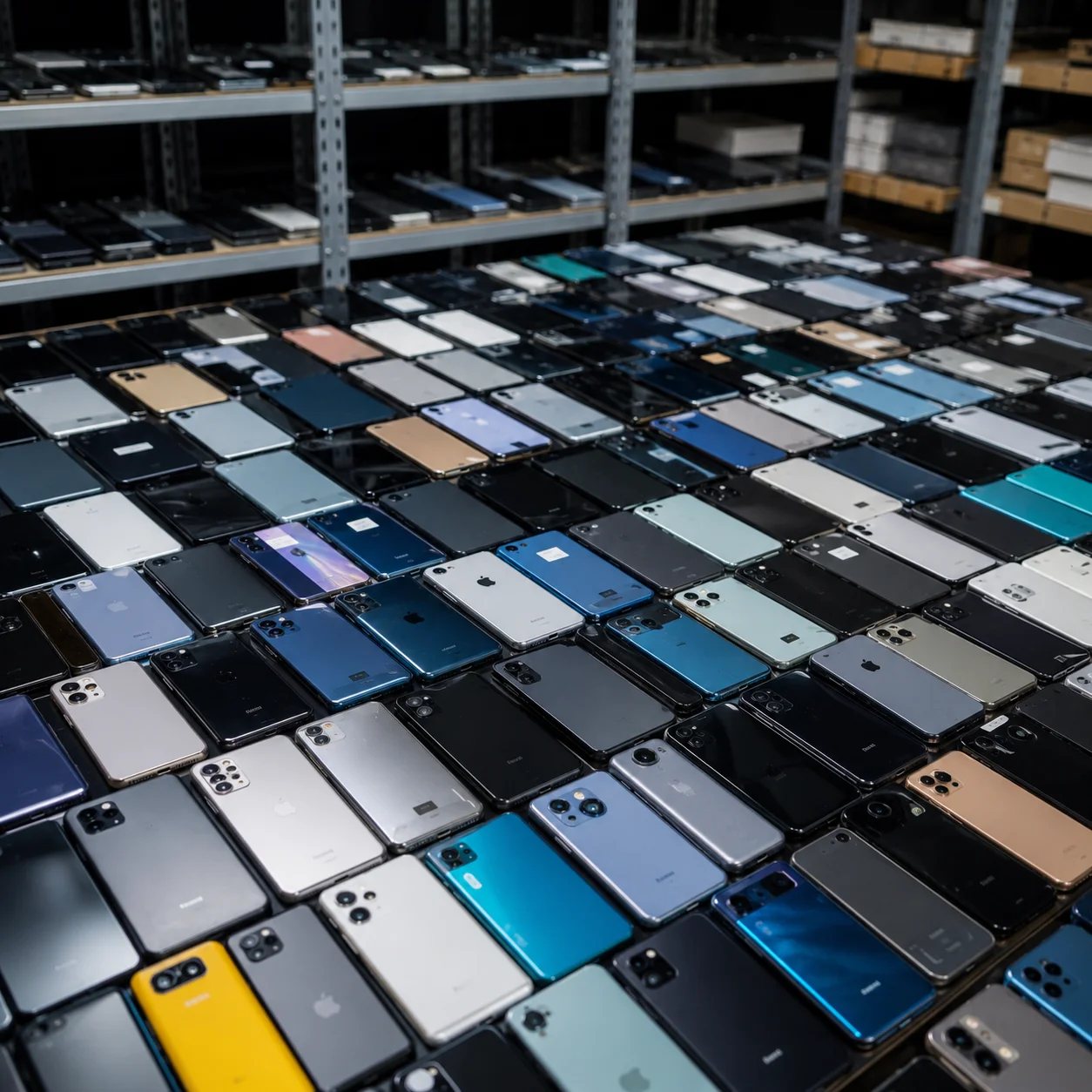
For millions of Pakistanis, a smartphone is no longer a luxury item. It has become an essential tool for communication, education, banking, business, and access to government services. However, the high taxes imposed on imported mobile phones have long been a concern for consumers, especially those looking for affordable devices.
Now, there may be some relief on the horizon.
The Federal Board of Revenue (FBR) has indicated that it is willing to review taxes and duties on imported mobile phones valued up to $200. The development emerged during a meeting of the National Assembly Standing Committee on Finance, where lawmakers questioned the impact of existing taxes on ordinary consumers and proposed measures to make smartphone ownership more affordable.
The discussion has sparked interest across Pakistan, particularly among smartphone users, retailers, and technology enthusiasts who have long argued that mobile phones should be treated as necessities rather than luxury products.
Why Are Mobile Phone Taxes Being Discussed?
The issue was raised during a parliamentary review of taxation policies affecting imported mobile phones.
FBR Chairman Rashid Mahmood Langrial assured committee members that the government would examine the possibility of reducing duties on imported handsets priced up to $200. According to officials, such a reduction would have a relatively limited impact on government revenue while potentially providing relief to a large segment of consumers.
The debate comes at a time when Pakistan is pursuing greater digital inclusion. Smartphones have become a primary gateway to the internet for many citizens, especially in areas where access to computers remains limited.
Lawmakers argued that lowering the tax burden on affordable smartphones could help increase connectivity and support the country’s broader digital transformation goals.
Current Tax Structure on Imported Mobile Phones
One of the key points discussed during the committee meeting was the current taxation framework applied to imported mobile phones.
According to the FBR briefing:
- Phones valued up to $30 face an effective tax rate of 25%.
- Devices priced between $31 and $100 are taxed at 36%.
- Smartphones valued between $101 and $200 face an effective tax rate of 40%.
- Phones worth between $201 and $350 are taxed at 38%.
- Devices priced between $351 and $500 face a 40% tax rate.
- Phones costing more than $500 attract an effective tax rate of approximately 41%.
Officials further revealed that taxes on individual devices can range from around Rs1,500 to over Rs141,000 depending on the handset’s value. The average effective tax rate across all imported phone categories stands at nearly 40%.
These figures have fueled concerns that high taxation is making smartphones increasingly expensive for ordinary consumers.
Could Mobile Phones Become More Affordable?
This is perhaps the biggest question being asked by consumers.
If the government decides to reduce duties on phones priced up to $200, the move could potentially lower the overall cost of many popular budget and mid-range smartphones available in Pakistan.
The under-$200 category includes a large portion of devices purchased by students, freelancers, small business owners, and middle-income households. Lower taxes could make these devices more accessible and help reduce the financial burden on buyers.
However, any final decision will depend on fiscal considerations and the government’s broader revenue objectives. Finance officials have cautioned that tax reductions could create a revenue gap that would need to be compensated through alternative measures.
The Growing Debate Over Mobile Phone Taxes
The discussion goes beyond consumer affordability.
Several lawmakers questioned whether the current taxation system is designed primarily to generate revenue or to protect local mobile phone manufacturing and assembly operations.
During the committee meeting, members argued that smartphones have become essential tools in modern life and should not be subjected to excessively high taxes. Some lawmakers suggested that treating mobile phones as luxury products no longer reflects economic realities.
This debate has continued for years in Pakistan as policymakers attempt to balance revenue generation, local industry protection, and consumer interests.
The Problem of Non-PTA Phones
Another issue highlighted during the meeting was the growing number of non-PTA-approved mobile phones being used across the country.
Many consumers avoid registering imported phones because of the associated taxes and registration costs. As a result, unofficial channels and unregistered devices continue to exist in the market.
Lawmakers expressed concern that high registration costs may unintentionally encourage consumers to seek alternatives outside the formal system. To address this challenge, committee members proposed introducing an installment-based payment option for mobile phone taxes.
A New Installment Plan for PTA Taxes?
One of the most interesting proposals discussed was the possibility of allowing consumers to pay PTA-related taxes in installments.
Committee members argued that installment facilities are widely available around the world, even for relatively small consumer purchases. They suggested that spreading tax payments over time could encourage more users to register their devices legally.
Following the discussion, the committee directed the FBR and the Pakistan Telecommunication Authority (PTA) to work together on a practical proposal for an installment-based system.
If implemented, such a system could significantly reduce the upfront cost of registering imported smartphones.
What Does This Mean for Pakistan’s Digital Future?
Pakistan’s digital economy continues to expand rapidly. Online education, digital banking, e-commerce, remote work, and social media have increased the importance of affordable internet-enabled devices.
Supporters of tax reductions argue that lowering the cost of smartphones could:
Increase Internet Access
Affordable devices could help more Pakistanis connect to online services and educational resources.
Support Digital Banking
Millions of users rely on smartphones for financial transactions, mobile wallets, and online payments.
Encourage E-Commerce Growth
Lower-cost smartphones may help expand participation in Pakistan’s growing digital marketplace.
Improve Government Service Access
Many public services are increasingly shifting to digital platforms that require smartphone access.
These factors have strengthened arguments that smartphones should be viewed as critical digital infrastructure rather than luxury consumer products.
The Revenue Challenge Facing the Government
Despite calls for tax reductions, the government faces a difficult balancing act.
Mobile phone taxes contribute billions of rupees annually to national revenue. Any reduction in duties must be weighed against fiscal targets and broader budgetary commitments.
Pakistan continues to pursue revenue growth through tax reforms and improved documentation of the economy. Policymakers must therefore consider whether lower mobile phone taxes would ultimately increase device registrations and import volumes enough to offset reduced tax rates.
Historically, governments have often argued that lower duties can sometimes lead to higher import volumes, which may partially compensate for revenue losses.
What Happens Next?
At this stage, no final decision has been announced.
The FBR has only indicated that it is willing to review the current taxation framework for imported mobile phones valued up to $200. Further discussions between government departments, lawmakers, and industry stakeholders are expected before any changes are finalized.
Consumers, retailers, and technology industry participants will be closely watching these developments in the coming weeks.
Final Thoughts
The possibility of reduced taxes on imported mobile phones has generated significant interest because it directly affects millions of Pakistanis. For many families, students, and professionals, smartphones are essential tools for everyday life rather than optional gadgets.
While the government must balance consumer relief with revenue requirements, the ongoing review signals that policymakers are listening to concerns about affordability and digital access.
Whether the proposed tax reductions and installment-based payment options eventually become reality remains to be seen. However, the discussion itself reflects a broader recognition that access to technology is increasingly important for Pakistan’s economic and social development.
As the debate continues, one question remains at the center of the conversation: should smartphones be taxed like luxury products, or should they be treated as necessities in a rapidly digitizing world?
Source:
Parliamentary briefing to the National Assembly Standing Committee on Finance, Federal Board of Revenue (FBR), Mettis Global, ProPakistani, and other Pakistani media reports.
Our audience means everything to us.
Have feedback or suggestions to make us better? We’re always listening—feel free to get in touch with us at truthora2026@gmail.com








Leave a Comment