

Could Regional Tensions Threaten a Fragile Diplomatic Breakthrough?
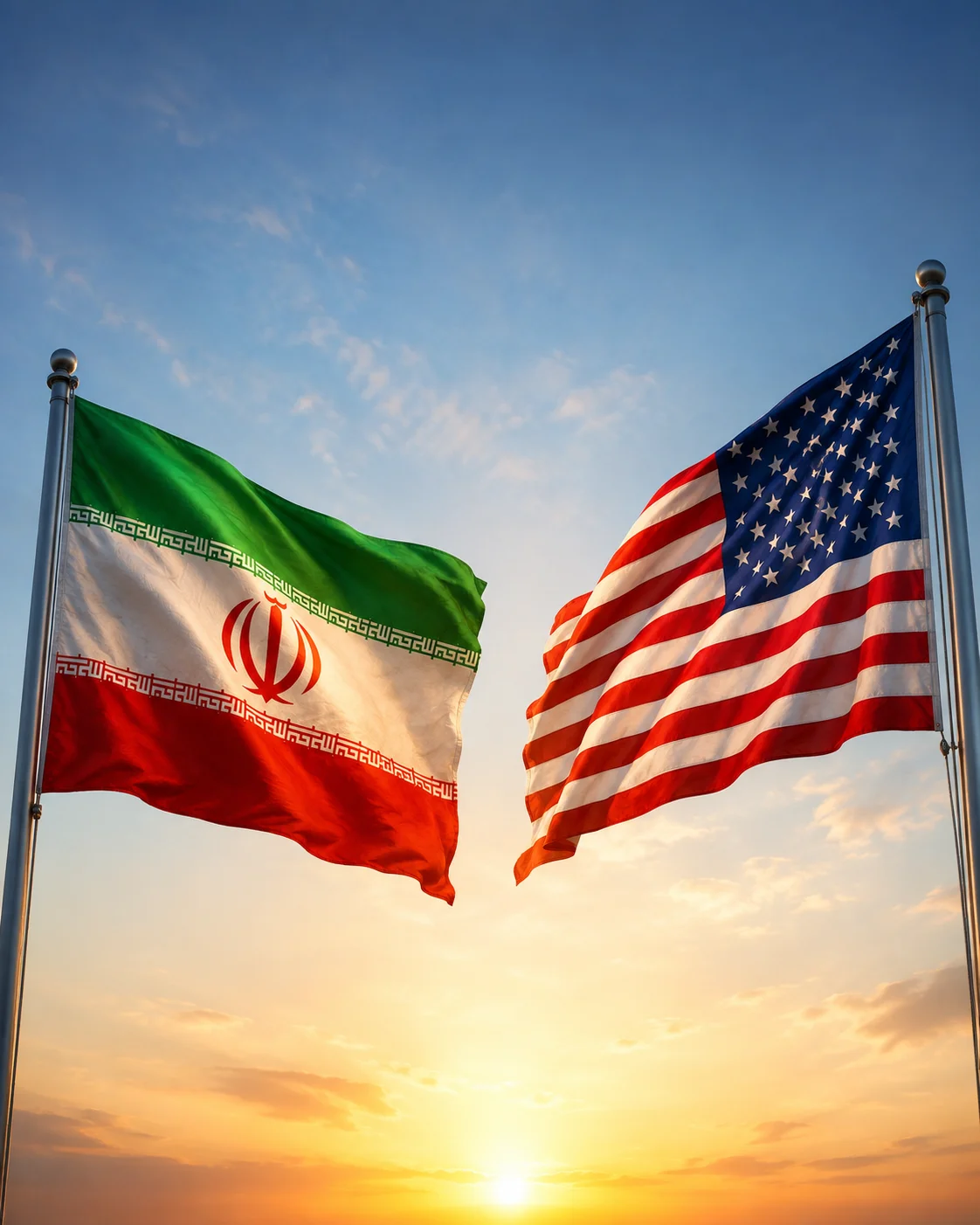
A newly reported US intelligence assessment has sparked fresh debate about the future of diplomatic efforts between the United States and Iran. According to reports published by major international media outlets, American intelligence officials warned that actions taken by Israel could complicate ongoing attempts to secure a long-term peace framework with Tehran.
The report comes at a critical time, as Washington and Tehran are trying to build momentum around a recently announced understanding aimed at reducing tensions across the Middle East. However, developments in Lebanon continue to cast uncertainty over those efforts.
What Is Worrying US Officials?
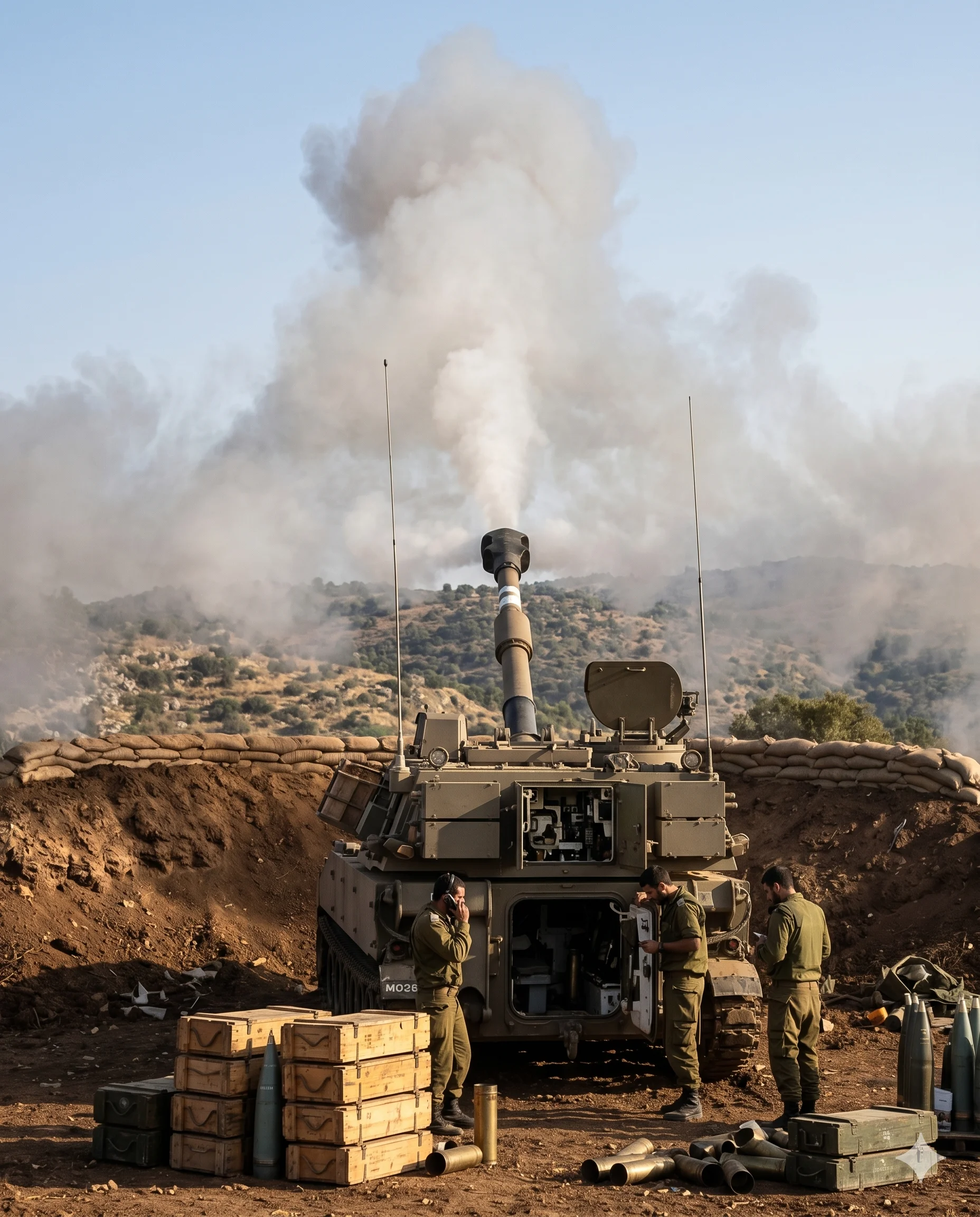
According to intelligence assessments cited by international media, Israeli Prime Minister Benjamin Netanyahu is facing significant domestic pressure to maintain military operations against Hezbollah in Lebanon. Some US officials reportedly fear that continued military activity could undermine diplomatic progress between Washington and Tehran.
The concerns are linked to provisions within the broader US-Iran framework that encourage a reduction in regional hostilities. Analysts believe that any major escalation in Lebanon could make it more difficult for both sides to move forward with negotiations.
Several reports indicate that Israeli officials remain focused on security concerns and view Hezbollah as an ongoing threat, making a complete withdrawal from certain areas of southern Lebanon unlikely in the near future.
Lebanon Remains a Major Flashpoint
Despite diplomatic efforts, Lebanon continues to be one of the most sensitive fronts in the region.
Recent reports suggest that a ceasefire understanding between Israel and Hezbollah was scheduled to take effect, but the situation remains fragile. Continued exchanges of fire and military operations have raised fears that violence could quickly return on a larger scale.
Observers warn that without a lasting solution in Lebanon, any broader peace initiative involving Iran may face serious challenges.
This raises an important question: Can regional diplomacy succeed if one of the conflict’s most volatile fronts remains unresolved?
Trump Administration Faces a Delicate Balancing Act
The developments place additional pressure on President Donald Trump’s administration, which has invested significant political capital in pursuing a diplomatic path with Iran.
Vice President JD Vance recently emphasized the importance of maintaining strong cooperation between Washington and Israel, while also highlighting the need to preserve opportunities for regional stability.
Meanwhile, President Trump has publicly suggested that maintaining peace in the region requires careful management of relationships with all key allies.
For US policymakers, the challenge is clear: support regional security while keeping diplomatic channels open.
Why the Situation Matters Beyond the Middle East
The outcome of these negotiations could affect far more than regional politics.
A successful peace process could help stabilize energy markets, reduce military tensions, and improve economic confidence across several regions. On the other hand, renewed conflict could create uncertainty for global trade routes, including the strategically important Strait of Hormuz.
For millions of people living in conflict-affected areas, the stakes are even higher. Continued instability could lead to further displacement, humanitarian challenges, and economic hardship.
What Happens Next?
The coming weeks may prove decisive.
Diplomatic talks remain ongoing, but regional developments will likely play a major role in determining whether the current momentum toward peace can be sustained. Analysts say that maintaining calm in Lebanon could be one of the key tests for the broader US-Iran initiative.
As world leaders continue negotiations behind closed doors, many will be watching closely to see whether diplomacy can overcome the region’s long-standing divisions.
For now, the future of the peace effort remains uncertain—but its outcome could shape the Middle East for years to come.
Source:
The Washington Post, Reuters, Axios, The Guardian, Anadolu Agency, international media reports.
Our audience means everything to us.
Have feedback or suggestions to make us better? We’re always listening—feel free to get in touch with us at truthora2026@gmail.com




Leave a Comment